Wear Plates
Industrial Wear Plates: Extreme Protection for Heavy Operations
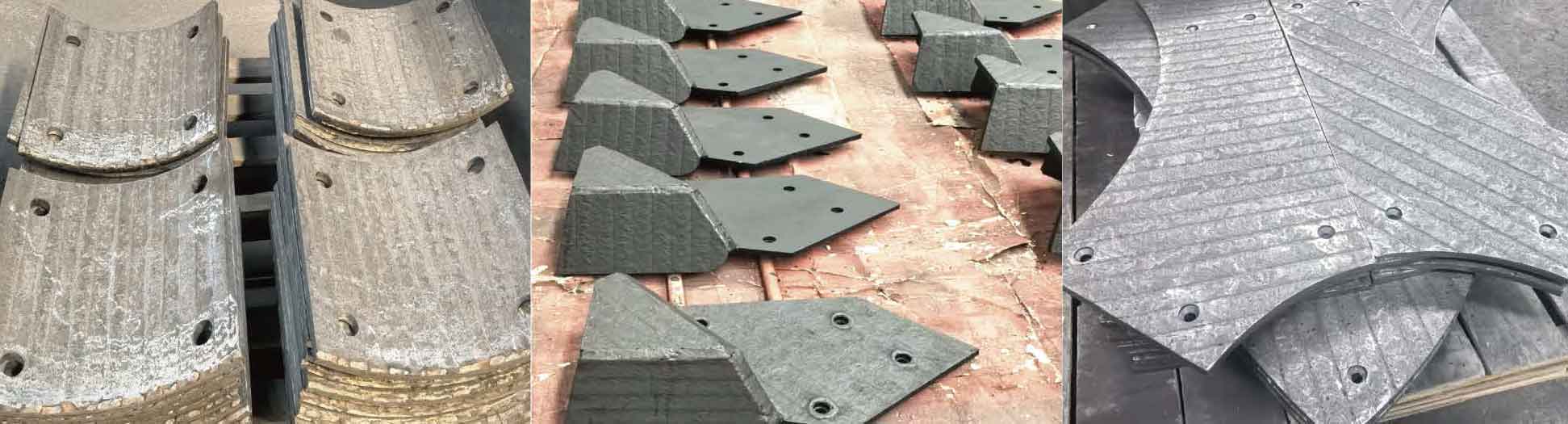
In high-impact and high-abrasion environments, equipment downtime isn't just an inconvenience—it’s a massive hit to your bottom line. Our engineered wear plates are designed to withstand the world’s harshest industrial conditions, providing a sacrificial barrier that extends the service life of your machinery by up to 10x.
Whether you are in mining, cement production, power generation, or recycling, we provide global shipping and custom-cut solutions to meet your exact specifications.
Showing all 12 results

AR400 Abrasion Resistant Steel Plate
$750.00AR450 Abrasion Resistant Steel Plate
$800.00Crusher Wear Plates
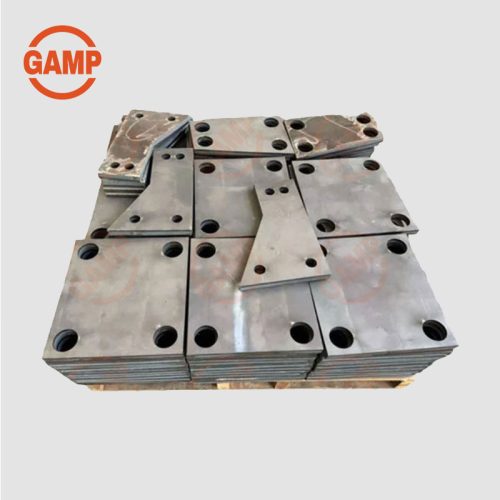
Custom Sizes Wear Plate
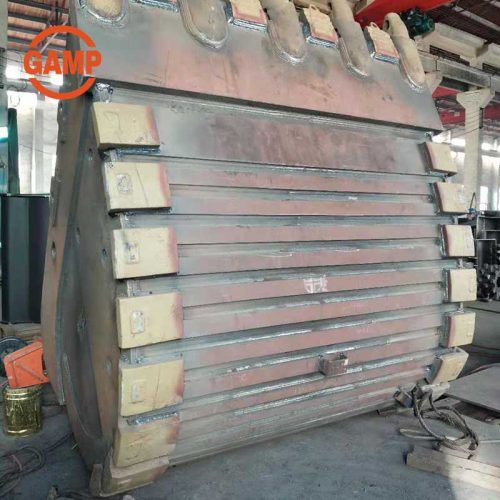
Extreme-Duty Excavator Bucket Wear Plates
Heavy-Duty Loader Bucket Wear Plates
High-Performance Crack-Free Composite Wear Plates
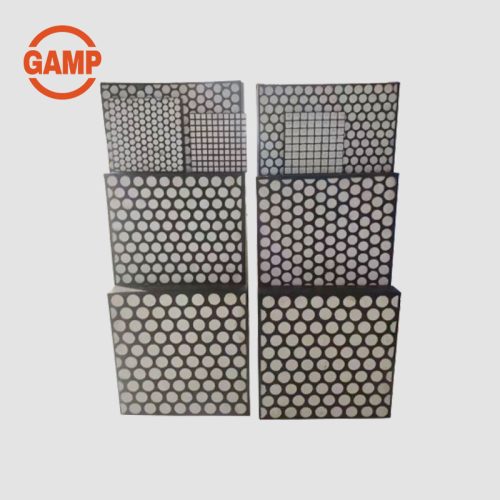
$280.00Premium Ceramic Wear Plates
Premium Weld-On Bucket Wear Plates
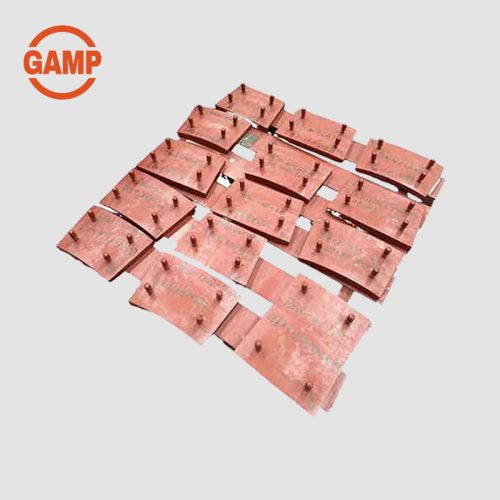
Studded Wear Plates
$120.00Wear Plate with Precision Countersunk Holes
$120.00Wear Plates for Mining Operations
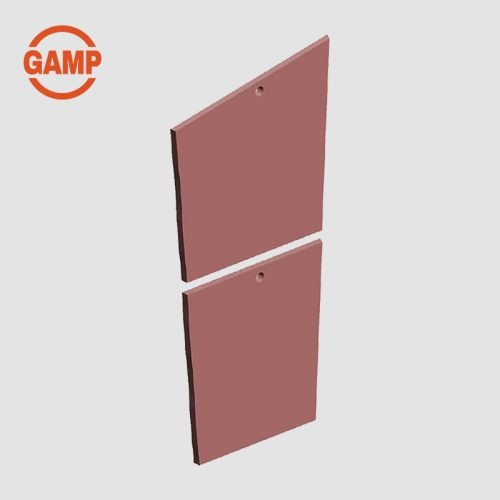
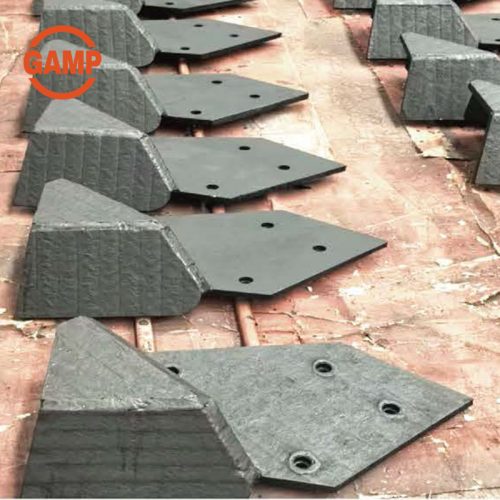
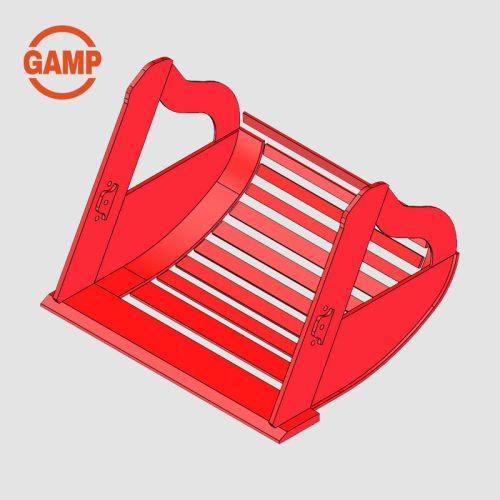
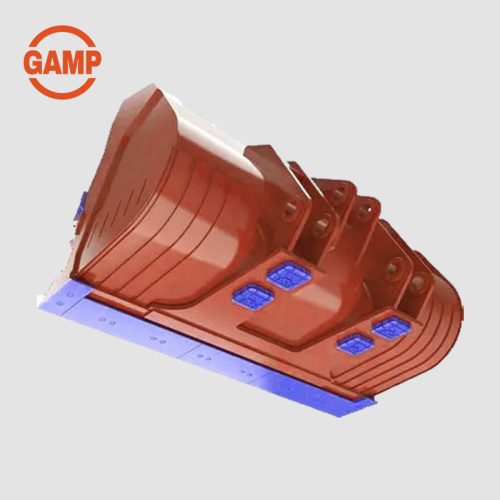

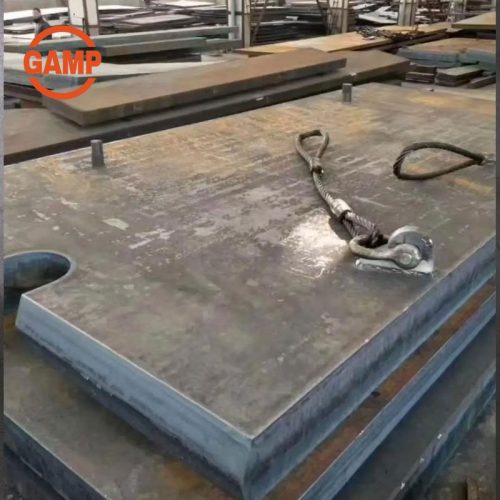
Hardness Meets Toughness: Abrasion Resistant Steel Plate
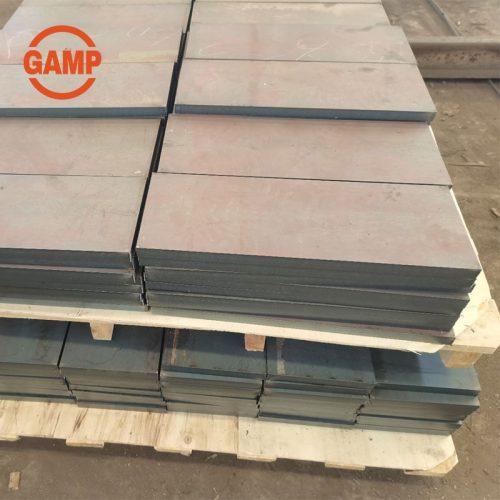
For general-purpose protection against sliding abrasion and impact, our abrasion resistant (AR) steel plates are the industry standard. Through precision quenching and tempering, these plates offer a balanced chemistry that remains weldable while maintaining superior hardness.
- Available Grades: AR400, AR450, AR500, and AR600.
- Key Benefits: Excellent structural strength, easy fabrication, and cost-effective surface protection.
- Best For: Liners for truck beds, buckets, and chutes.
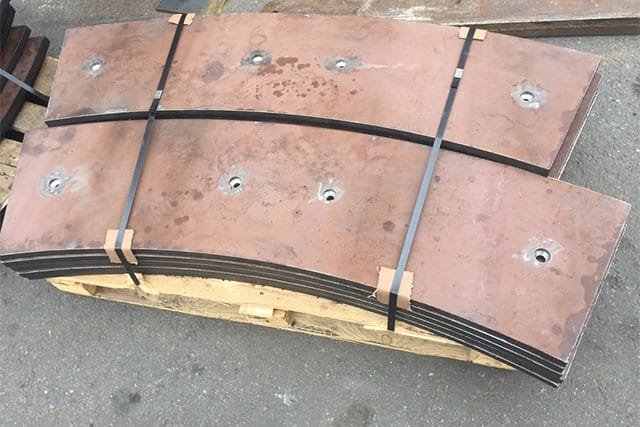
Maximum Longevity with Chromium Carbide Wear Plate
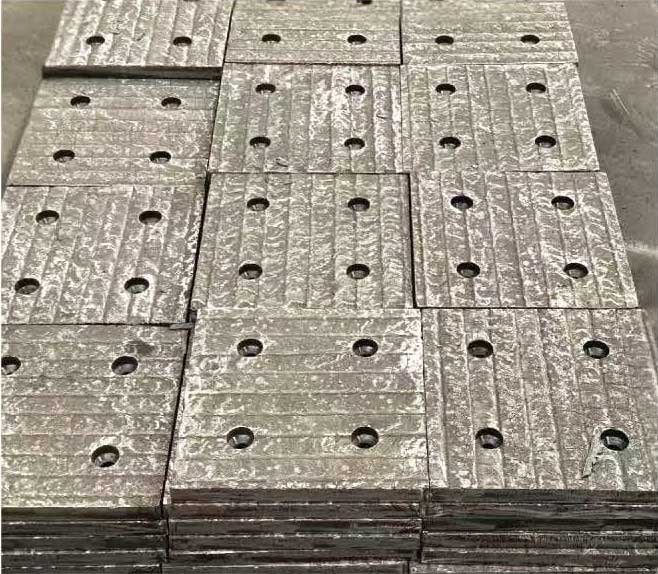
When standard steel isn't enough, our chromium carbide wear plates (CCO) provide a solution for extreme sliding abrasion. By fusing a high-carbide overlay onto a steel base, we create a surface that maintains its integrity even under high-temperature conditions.
- Hardness: Typically ranges from 58 to 62 HRC.
- Key Benefits: Exceptional resistance to fine-particle abrasion and moderate impact.
- Best For: Fan blades, cyclone liners, and conveyor transfer points.
Precision Defense: Advanced Ceramic Wear Plates
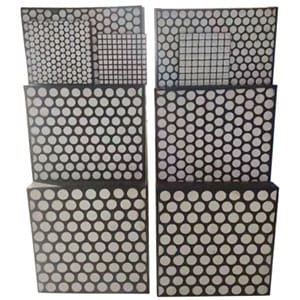
For the most aggressive abrasive environments—especially those involving high-velocity particles—our ceramic wear plates offer unparalleled performance. By embedding alumina or silicon carbide tiles into a high-tensile rubber or steel backing, we combine the hardness of ceramics with the impact absorption of elastomers.
- Key Benefits: Zero-wear performance in chemical or corrosive environments; significantly reduced noise pollution.
- Best For: Slurry pipes, magnetic separators, and high-velocity discharge chutes.
Technical Specification Comparison
| Feature | AR Steel Plate (400/500) | Chromium Carbide (CCO) | Ceramic Wear Plates |
| Primary Protection | Impact & Sliding Abrasion | Extreme Sliding Abrasion | Fine Particle Erosion |
| Typical Hardness | 360 – 550 HBW | 58 – 62 HRC | 90+ HRA (Alumina) |
| Max Temp Resistance | Up to 250°C | Up to 600°C | Up to 1000°C+ |
| Weldability | Excellent (Structural) | Overlay only (Backing plate) | Mechanical / Epoxy Bolt-in |
Why Partner With Us?
- Global Shipping: Rapid door-to-port delivery across six continents.
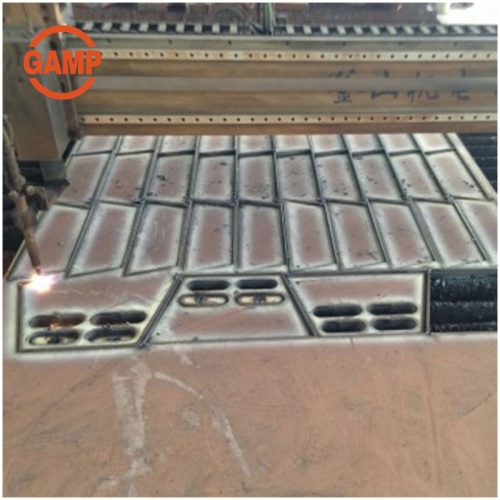
- Custom Fabrication: In-house CNC plasma, laser and waterjet cutting for "drop-in" ready parts.
- Technical Consulting: Not sure which material fits your application? Our engineers provide wear-pattern analysis to recommend the right grade.
Request a Technical Consultation & Quote
Stop replacing, start protecting. Contact our sales team today for bulk pricing, material data sheets, or a custom project estimate.
[ Get a Quick Quote ] [ Download Catalog ]
Frequently Asked Questions
1. How do I choose between AR500 steel and Chromium Carbide?
It depends on the angle of impact. AR500 steel is tougher and can handle heavy, direct impact from large rocks without cracking. Chromium Carbide (CCO) is harder but more brittle; it is superior for "sliding" abrasion where fine materials (like sand or grain) move across the surface at high speeds.
2. Can your wear plates be custom-cut to my drawings?
Yes. We utilize CNC Plasma, Laser, and Waterjet cutting services to provide "drop-in" ready liners based on your CAD files or dimensions. This reduces onsite labor costs and equipment downtime.
3. What are the shipping lead times for global orders?
Custom fabricated parts typically ship within 7–14 business days. We offer FOB, CIF, and DDP terms to ensure a smooth transition through international customs.
4. Why use ceramic wear plates over traditional steel?
Ceramics (Alumina) are nearly diamond-hard. In applications involving high-velocity slurry or chemical exposure, ceramic liners can outlast AR steel by a factor of 10, significantly reducing the frequency of maintenance shutdowns.