
What Is a Studded Wear Plate? A Complete Guide to Its Structure and Uses
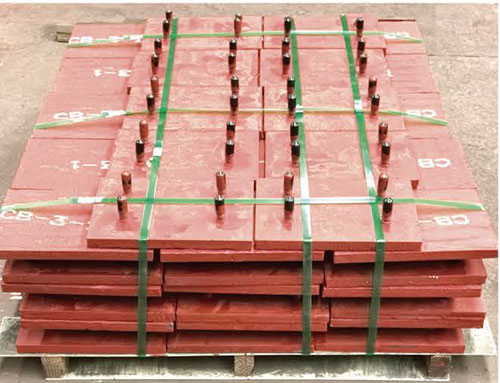
Table of Contents
In industrial operations—from mining and construction to material handling and manufacturing—equipment wear is a costly, recurring challenge. Unchecked wear on critical components like chutes, hoppers, and conveyor systems leads to unplanned downtime, frequent replacements, and inflated maintenance budgets. Enter the studded wear plate: a specialized wear-resistant component designed to extend equipment lifespan, reduce operational costs, and boost productivity. This complete guide breaks down what a studded wear plate is, its core structure, key types, applications, and why it’s a game-changer for B2B operations.
What Is a Studded Wear Plate?
A studded wear plate (also called a studded wear liner or welded stud wear plate) is a composite component engineered to protect industrial equipment from abrasive, impact, and erosive wear. Unlike standard wear plates, it features raised metal studs (typically made of high-hardness alloys) welded to a base plate, creating a dual-layered structure that combines toughness, impact resistance, and abrasion resistance. The studs absorb the brunt of wear and impact, while the base plate provides structural stability and easy installation onto equipment.
Key to its effectiveness: studded wear plates are customized to match the specific wear conditions of an application, ensuring optimal performance where it matters most. For B2B buyers, this customization translates to longer equipment life, fewer replacements, and lower total cost of ownership (TCO)—critical metrics for industrial operations looking to streamline efficiency.
Structure of a Studded Wear Plate: Core Components
Studded wear plates are not one-size-fits-all, but their fundamental structure consists of three key components, each playing a vital role in performance. Understanding this structure helps B2B buyers select the right plate for their unique needs.
1. Base Plate
The base plate is the foundation of the studded wear plate, serving as the mounting surface for the studs and the point of connection to the equipment. It is typically made of mild steel (e.g., A36) or low-alloy steel—materials chosen for their weldability, structural strength, and cost-effectiveness. The thickness of the base plate varies with the application: heavier-duty applications (e.g., mining chutes) require thicker plates to handle higher loads and impacts, while lighter applications (e.g., material-handling bins) use thinner plates for weight efficiency.
2. Wear Studs
The studs are the “workhorse” of the wear plate, designed to withstand direct contact with abrasive materials (e.g., rocks, gravel, ore) and repeated impact. They are made from high-hardness alloys to resist wear, with common materials including:
- Chrome Carbide (CrC): Ideal for high-abrasion applications (e.g., mining, quarrying) due to its exceptional hardness and resistance to sliding wear.
- Stellite Alloys: Used for high-temperature and corrosive environments (e.g., steel mills, incinerators) thanks to their heat and chemical resistance.
- Hardened Steel: A cost-effective option for moderate wear applications (e.g., conveyor systems, hoppers).
Studs come in various shapes (e.g., cylindrical, conical, hexagonal) and sizes, with spacing customized to distribute wear evenly. Denser stud spacing is used for high-impact areas, while wider spacing works for lighter wear conditions.
3. Welding & Bonding
The studs are permanently attached to the base plate using high-quality welding (e.g., MIG, TIG, or submerged arc) to ensure a strong, durable bond. Proper welding is critical—poorly welded studs can break loose under impact, rendering the wear plate ineffective. Some advanced studded wear plates also use adhesive bonding for applications where welding is not feasible (e.g., on non-weldable equipment materials).
Types of Studded Wear Plates (By Application)
B2B buyers should select studded wear plates based on their specific industry and wear conditions. The most common types include:
1. Abrasion-Resistant Studded Wear Plates
Designed for applications with high sliding or abrasive wear (e.g., chutes, hoppers, and conveyor troughs in mining and quarrying). These plates feature chrome carbide or stellite studs with a dense spacing to maximize wear resistance.
2. Impact-Resistant Studded Wear Plates
Used in areas with heavy impact (e.g., crusher liners, hammer mills, and dump truck beds). They have thicker, conical studs that absorb and disperse impact energy, preventing damage to the base equipment.
3. High-Temperature Studded Wear Plates
Suitable for high-heat environments (e.g., steel mills, cement plants, and incinerators). These plates use heat-resistant alloys (e.g., stellite) and a base plate that can withstand temperatures up to 1,200°F (648°C).
4. Corrosion-Resistant Studded Wear Plates
Ideal for chemical processing, marine, or wastewater applications where corrosion is a concern. They use stainless steel or nickel-based studs and a corrosion-resistant base plate to prevent rust and degradation.
Key Uses & Applications of Studded Wear Plates
Studded wear plates are used across a wide range of industrial sectors, where equipment wear is a major operational challenge. Below are the most common B2B applications, organized by industry:
1. Mining & Quarrying
Mining operations face some of the harshest wear conditions, with equipment handling abrasive ore, rocks, and gravel. Studded wear plates are used in:
- Chutes and hoppers (to prevent wear from falling ore)
- Conveyor systems (troughs, pulleys, and idlers)
- Crusher liners and jaw plates
- Dump truck beds and loading ramps
2. Construction & Demolition
Construction equipment (e.g., excavators, bulldozers, and concrete mixers) is exposed to abrasive materials like concrete, sand, and gravel. Studded wear plates protect:
- Bucket lips and cutting edges
- Concrete mixer drums
- Bulldozer blades and rippers
3. Material Handling & Logistics
Warehouses, ports, and distribution centers rely on conveyor systems and material-handling equipment that are subject to constant wear. Studded wear plates are used in:
- Conveyor troughs and skirting
- Hoppers and silos (for grain, coal, or aggregates)
- Loading and unloading equipment
4. Manufacturing & Processing
Manufacturing plants (e.g., steel, cement, and chemical) use studded wear plates to protect equipment in production lines:
- Steel mill rolls and furnace liners
- Cement kiln shells and grinding equipment
- Chemical processing tanks and chutes (corrosion-resistant variants)
Why Choose Studded Wear Plates Over Standard Wear Plates?
For B2B buyers, selecting the right wear protection is about balancing performance and cost. Studded wear plates offer distinct advantages over standard (unstudded) wear plates:
- Longer Lifespan: Studs absorb wear and impact, protecting the base plate and underlying equipment—extending service life by 2–5x compared to standard plates.
- Reduced Downtime: Fewer replacements mean less unplanned downtime, keeping production lines running smoothly.
- Lower TCO: While initial costs may be higher than those of standard plates, the longer lifespan and reduced maintenance costs result in a lower total cost of ownership over time.
- Customization: Studs, base plates, and spacing can be tailored to specific wear conditions to ensure optimal performance for your application.
- Easy Installation: Base plates are designed for quick welding or bolting onto existing equipment, minimizing installation time.
How to Select the Right Studded Wear Plate
To maximize the value of your studded wear plate investment, consider these key factors when selecting a product:
- Assess Wear Conditions: Identify if the primary wear is abrasive, impact, high-temperature, or corrosive—this determines the stud material (e.g., chrome carbide for abrasion, stellite for heat).
- Equipment Compatibility: Ensure the base plate thickness and size match your equipment’s mounting points (e.g., chute dimensions, conveyor trough size).
- Stud Material & Spacing: Choose studs based on wear intensity (denser spacing for high-impact/abrasion) and material compatibility for your application.
- Welding Quality: Select a supplier that uses high-quality welding processes to ensure studs stay securely attached.
- Supplier Reliability: Partner with a B2B supplier that offers customization, technical support, and timely delivery—critical for minimizing downtime.
Final Thoughts
Studded wear plates are a critical investment for B2B industrial operations looking to reduce equipment wear, minimize downtime, and lower costs. By understanding their structure, types, and applications, you can select the right plate for your specific needs—ensuring longer equipment life and improved productivity. Whether you’re in mining, construction, or manufacturing, a high-quality studded wear plate is a cost-effective solution to one of the industry’s biggest challenges.
Ready to find the perfect studded wear plate for your operation? Contact our team of experts for customized solutions tailored to your wear conditions and equipment requirements.
Quality
Strict quality control standards to ensure every product meets the expected reliability and performance.
Price
Competitive prices that strike a perfect balance between cost-effectiveness and the value you deserve.
Service
Professional customer service is always ready to address your needs and provide satisfactory solutions promptly.
Management
Efficient and standardized operations powered by an ERP system to comprehensively manage all business processes.

Get in touch with us
Take a minute to connect with us today, and let’s turn your needs into results. We can’t wait to hear from you!