The High Cost of Friction: Why Hardfacing Screw Flights is Non-Negotiable
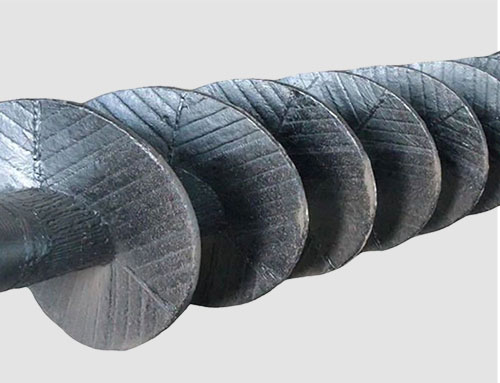
Table of Contents
In a bulk handling system, the screw conveyor is the workhorse. However, as the screw rotates, the outer edges of the flights bear the brunt of constant friction. Without protection, the “land” (the outer diameter) of the flight thins out, leading to reduced efficiency, increased power consumption, and eventual mechanical failure.
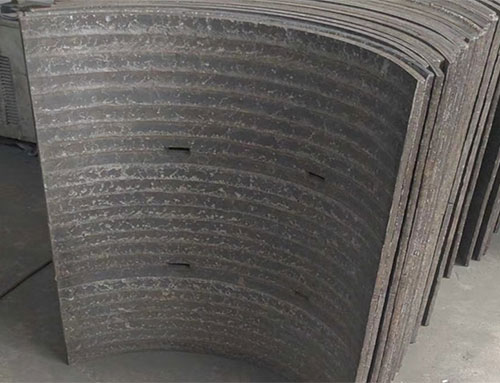
Hardfacing is the process of applying a layer of wear-resistant alloy onto the surface of these flights via welding. Think of it as an armored skin that absorbs the punishment so the structural base metal doesn’t have to.
1. Understanding the Mechanisms of Wear
Screw flights typically fail due to two primary forces:
- Abrasion: The grinding away of the surface by hard particles.
- Erosion: The loss of material due to the high-velocity impact of particles.
By applying a hardfacing overlay, you introduce materials with higher Rockwell hardness (HRC) than the base metal, specifically designed to withstand these forces.
2. Popular Materials for Hardfacing
Not all “hard” materials are created equal. The choice of alloy depends entirely on what you are moving.
- Chromium Carbides: The “all-rounder” of hardfacing. It provides excellent resistance to severe abrasion and moderate impact. It’s the standard choice for cement and mining applications.
- Tungsten Carbides: When abrasion is extreme, tungsten is king. These deposits contain fine particles of tungsten carbide suspended in a tough matrix, offering the highest level of protection for the most aggressive environments.
- Cobalt-Based Alloys (Stellite): Best used when the screw is operating in high-temperature environments or dealing with corrosive chemicals alongside abrasion.
3. Application Techniques: Precision Matters
The method used to apply the hardfacing is just as important as the material itself.
- Flux-Cored Arc Welding (FCAW): A common, versatile method that allows for high deposition rates. It’s excellent for on-site repairs and large-scale refurbishments.
- Plasma Transferred Arc (PTA): the gold standard for precision. PTA allows for a very low “dilution” rate—meaning the hardfacing material isn’t watered down by the base metal—resulting in a purer, harder protective layer.
- Laser Cladding: A modern, high-tech approach that uses a laser beam to melt the coating material onto the flight. It offers the lowest heat-affected zone (HAZ), preventing the screw from warping.
The Business Case: ROI of Hardfacing
For a B2B operation, the decision to hardface isn’t just a technical one; it’s a financial one. While the upfront cost of a hardfaced screw is higher than that of a standard carbon steel screw, the Total Cost of Ownership (TCO) is significantly lower.
Reduced Downtime
Every hour a conveyor is offline for a screw replacement is an hour of lost revenue. Hardfacing can extend the service life of a screw by 3x to 10x, drastically reducing the frequency of maintenance shutdowns.
Energy Efficiency
As a screw flight wears down, the gap between the flight and the trough increases. This leads to “blowback” or material slippage, forcing the motor to work harder to move the same amount of product. Maintaining the original tolerances through hardfacing keeps your energy bills in check.
Sustainability
In a world focused on ESG (Environmental, Social, and Governance) goals, repairing and reinforcing existing hardware is far more sustainable than scrapping an entire screw assembly and manufacturing a new one from scratch.
Best Practices for Hardfacing Maintenance
To get the most out of your hardfacing, consider these three tips:
- Identify the “Wear Zone”: You don’t always need to hardface the entire flight. Often, the most significant wear occurs on the leading edge and the outer diameter. Target these areas to save on material costs.
- Monitor Early: Don’t wait for the flight to disappear. Applying a “re-cap” of hardfacing before the base metal is compromised is much cheaper than rebuilding the entire flight geometry.
- Match the Matrix: Ensure your welding provider understands the chemistry of your base metal to prevent cracking or “spalling” (where the hardfacing flakes off).
Conclusion
Hardfacing screw flights is an investment in reliability. By choosing the right materials and application methods, industrial operators can transform their most vulnerable components into their most durable assets.
Ready to protect your throughput? Contact our engineering team today to discuss a customized hardfacing schedule for your specific application.
Quality
Strict quality control standards to ensure every product meets the expected reliability and performance.
Price
Competitive prices that strike a perfect balance between cost-effectiveness and the value you deserve.
Service
Professional customer service is always ready to address your needs and provide satisfactory solutions promptly.
Management
Efficient and standardized operations powered by an ERP system to comprehensively manage all business processes.

Get in touch with us
Take a minute to connect with us today, and let’s turn your needs into results. We can’t wait to hear from you!