Alumina Liner: Ultimate Guide to Wear-Resistant Industrial Ceramic Liners (2026)
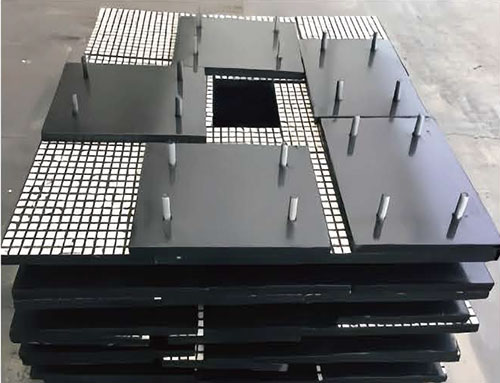
Table of Contents
Introduction
In heavy industrial environments involving grinding, material conveying, slurry transportation, and chemical processing, equipment wear and corrosion are the top causes of unplanned downtime, frequent part replacements, and inflated operational costs. Traditional metal liners—including manganese steel and high-chrome cast iron—struggle to withstand continuous abrasive impact, high temperatures, and chemical erosion, resulting in short service lifespans and unstable production efficiency.
An alumina liner (aluminium oxide ceramic liner) is a high-performance industrial lining component made from sintered alumina (Al₂O₃) ceramic. As a core wear-resistant solution widely adopted in modern industrial engineering, it delivers exceptional hardness, abrasion resistance, chemical stability, and thermal durability. This guide breaks down the technical principles, core advantages, industry applications, grade differences, and professional selection criteria of alumina liners, fully aligned with industrial engineering best practices and EEAT authoritative standards.
What Is an Alumina Liner? Technical Definition & Core Composition
Alumina liners are structural ceramic components manufactured via high-temperature sintering of high-purity alumina powder. The primary crystalline structure is alpha-alumina, featuring a dense hexagonal close-packed lattice with strong ionic and covalent bonding, laying the foundation for its superior mechanical and chemical properties.
Industrial-grade alumina liners are available in multiple purity grades, ranging from 85% to 99.9% Al₂O₃ content. Common commercial grades include 85%, 92%, 96%, and 99% high-purity alumina ceramics. Higher alumina purity directly enhances material hardness, wear resistance, thermal stability, and corrosion resistance, making high-grade liners ideal for high-standard industrial scenarios.
Unlike composite liners or metal liners, pure alumina ceramic liners feature uniform density, low porosity, and smooth surface finish, effectively avoiding material adhesion, particle contamination, and localized wear during continuous industrial operation.
Key Performance Advantages of Alumina Liners (Industry-Verified)
1. Extreme Abrasion Resistance & Extended Service Life
Alumina ceramic ranks 9 on the Mohs hardness scale, second only to diamond among common industrial materials, with a Vickers hardness of 600–900 HV. Industry field tests confirm that its wear resistance exceeds that of manganese steel by over 260 times and that its service life is 5–10 times longer than traditional metal liners. For slurry pipelines and dry grinding mill equipment, qualified alumina pipe liners can extend overall equipment service life by 5–8 times, drastically reducing replacement frequency and maintenance labor costs.
2. Excellent Chemical & Corrosion Resistance
Alumina liners exhibit inert chemical properties, resisting erosion from most acids, alkalis, salt solutions, and organic chemical media. They do not react with mineral powders, battery cathode materials (LFP, NMC), pharmaceutical intermediates, or quartz powder, effectively eliminating the risk of metal contamination. This makes them indispensable for high-purity material processing industries with strict contamination control requirements.
3. Superior Thermal Stability
With a melting point of approximately 2072°C, alumina liners maintain stable physical and chemical properties under long-term high-temperature working conditions. High-purity 99-grade alumina liners support continuous operation in environments up to 1800°C, with minimal linear dimensional change after reheating, ensuring equipment structural stability in high-temperature production scenarios.
4. Low Noise & Energy Saving
The smooth, dense surface of alumina liners reduces material friction and impact noise during equipment operation. Meanwhile, stable wear resistance keeps equipment operating at rated efficiency for extended periods, avoiding energy-consumption increases caused by liner wear and equipment vibration, thereby achieving significant energy savings and noise reduction.
Main Industrial Applications of Alumina Liners
Thanks to their balanced performance and cost-effectiveness, alumina liners have become the preferred wear-resistant lining solution across multiple industrial sectors, including grinding, conveying, and high-purity material processing.
1. Powder Grinding Industry
Widely used for ball mill and grinding mill inner linings, especially suitable for processing high-purity quartz powder, electronic ceramic powder, battery positive and negative electrode materials, and pharmaceutical powders. It completely avoids iron contamination from metal liner wear, ensuring product purity and consistent quality.
2. Mining & Mineral Processing
Applied in slurry pipeline lining, ore conveying chute lining, and mineral sorting equipment protection. It resists long-term exposure to the impacts and abrasion from iron ore, coal ash, and mineral slurry, solving the problem of rapid wear and frequent leakage in traditional steel pipelines.
3. Chemical & New Energy Industry
Used for lining of chemical reaction tanks, conveying pipelines, and new energy material processing equipment. Its acid- and alkali-corrosion resistance and zero-metal-contamination characteristics meet the strict production standards for lithium battery materials, fine chemicals, and new energy raw materials.
4. Building Materials & Metallurgy
Suitable for high-temperature furnace lining, cement raw material grinding equipment, and metallurgical residue conveying equipment, adapting to high-temperature, high-abrasion, and high-corrosion harsh working environments.
Alumina Liner Grade Selection Guide (Expert Recommendations)
Different alumina liner grades match different working conditions. Blindly pursuing high purity or low cost will lead to performance waste or insufficient protection. The following is a professional selection standard summarized by industrial engineering practices:
- 85% Alumina Liner: Cost-effective conventional grade, suitable for low-abrasion, non-high-purity scenarios such as ordinary building material grinding and general material conveying.
- 92%/96% Alumina Liner: The most widely used universal grade, balancing performance and cost. Ideal for most mining slurry transportation, chemical raw material processing, and conventional powder grinding scenarios.
- 99% High-Purity Alumina Liner: High-performance, premium-grade liner for high-purity material production, high-temperature working environments, and ultra-low-contamination scenarios such as battery materials and pharmaceutical fine chemicals.
Alumina Liner vs. Zirconia & Metal Liners: Performance Comparison
To help engineering teams make accurate selections, we compare alumina liners with mainstream lining materials in the industry:
- VS Metal Liners (Steel/Iron): Alumina liners offer far higher hardness and wear resistance, longer service life, no rust or corrosion, and zero contamination, overcoming the fatal defects of short metal liner life and easy shedding of metal impurities.
- VS Zirconia Liners: Zirconia liners have higher toughness and impact resistance but are more expensive. Alumina liners offer better cost-effectiveness, greater chemical stability, and lower thermal conductivity, making them more suitable for most conventional industrial wear-resistant applications.
Tips for Maximizing Alumina Liner Service Life
High-quality alumina liners require standardized installation and daily maintenance to exert optimal performance. Industry engineering experience summarizes three key points:
- Standardized Installation: Ensure flat and firm bonding, a uniform gap between liners, and avoid stress concentration caused by uneven installation, which leads to early cracking and falling off.
- Match Working Condition Grades: Do not use low-grade liners for high-abrasion and high-purity scenarios to prevent premature wear and product contamination.
- Regular Inspection: Periodically check for liner cracking, peeling, and accumulation of gaps, and promptly clean up residual materials to prevent localised accelerated wear.
Conclusion
As a mature, reliable, and cost-effective industrial wear-resistant solution, alumina liners have replaced traditional metal liners in most heavy industrial applications due to their superior wear, corrosion, and high-temperature resistance and zero-contamination advantages. Reasonable selection of alumina liner grades and standardized installation and maintenance can effectively reduce equipment failure rates, cut long-term operation and maintenance costs, and improve production efficiency and product quality.
For engineering, procurement, and equipment transformation teams, alumina liners are a low-investment, high-return upgrade choice, delivering sustainable value to long-term industrial production operations.
Quality
Strict quality control standards to ensure every product meets the expected reliability and performance.
Price
Competitive prices that strike a perfect balance between cost-effectiveness and the value you deserve.
Service
Professional customer service is always ready to address your needs and provide satisfactory solutions promptly.
Management
Efficient and standardized operations powered by an ERP system to comprehensively manage all business processes.

Get in touch with us
Take a minute to connect with us today, and let’s turn your needs into results. We can’t wait to hear from you!