
Wear Plate Countersunk Hole: Key Specifications, Applications & Manufacturing Tips
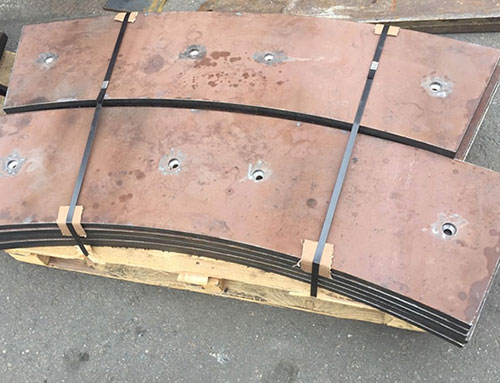
Table of Contents
In industrial wear-resistance solutions, the wear plate countersunk hole is a critical detail that directly affects the performance, installation efficiency, and service life of wear plates. Designed to provide a flush, secure fit when fastened to equipment, countersunk holes in wear plates prevent protrusions that can cause friction, damage, or premature wear—making them indispensable for heavy-duty industries like mining, construction, cement, and material handling.
What is a Wear Plate Countersunk Hole?
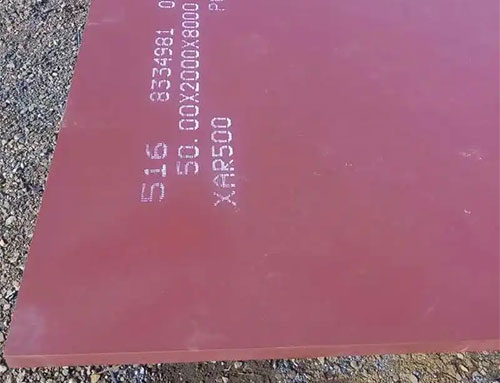
A wear plate countersunk hole is a recessed hole drilled into a wear-resistant plate (typically made of high-hardness materials like AR400, AR500, or abrasion-resistant steel) that allows the head of a fastener (such as a bolt or screw) to sit flush with the surface of the wear plate. Unlike standard holes, which leave fastener heads protruding, countersunk holes eliminate surface irregularities, ensuring the wear plate maintains its smooth, wear-resistant surface and avoids catching or damaging materials being processed.
The design of a countersunk hole for wear plates is precision-driven: the hole features a conical recess (typically at 82° or 90°) that matches the head of a countersunk fastener, creating a seamless fit. This not only enhances the wear plate’s functionality but also improves safety by reducing the risk of fastener loosening from vibration, which is common in industrial equipment.
Key Specifications of Wear Plate Countersunk Holes
To ensure compatibility, durability, and performance, wear plate countersunk hole specifications must be tailored to the application and fastener type. Below are the most critical parameters:
- Countersink Angle: The most common angles are 82° (for flat-head screws) and 90° (for standard countersunk bolts). This angle must match the fastener head to ensure a flush fit.
- Hole Diameter: The body of the hole (where the fastener shank passes through) must be slightly larger than the fastener diameter to allow for easy installation, while the countersink diameter must be sized to fit the fastener head without overcutting (which weakens the wear plate).
- Depth: The countersink depth is critical—too shallow, and the fastener head will protrude; too deep, and the wear plate may crack or lose structural integrity. Depth is typically calculated based on the fastener head height and wear plate thickness.
- Spacing: Countersunk holes are spaced evenly across the wear plate to distribute stress evenly, preventing localized wear or damage. Spacing depends on the wear plate size, application load, and fastener strength.
Applications of Wear Plate Countersunk Holes
Wear plate countersunk holes are used in any industrial application where wear plates are fastened to equipment, and a smooth surface is essential. Key use cases include:
- Mining Equipment: Wear plates with countersunk holes are installed on conveyor belts, chutes, hoppers, and crusher liners. The flush surface prevents material buildup and reduces abrasion on both the wear plate and the equipment.
- Construction Machinery: Excavator buckets, bulldozer blades, and loader buckets use wear plates with countersunk holes to ensure the fasteners do not interfere with digging, loading, or material movement.
- Cement & Aggregate Industry: Silos, mixing drums, and conveyor systems rely on countersunk holes to keep wear plates securely fastened and surfaces smooth, reducing maintenance and downtime.
- Material Handling: Chutes, feeders, and scrapers use wear plates with countersunk holes to minimize friction and prevent material jams, ensuring efficient operation.
Manufacturing Tips for High-Quality Wear Plate Countersunk Holes
The durability of a wear plate countersunk hole depends on precise manufacturing. Here are key tips to ensure quality:
- Use High-Quality Drilling Tools: Wear plates are made of hard, abrasion-resistant materials, so use carbide-tipped or diamond-tipped drills to ensure clean, precise holes without burrs or cracks.
- Control Drilling Speed & Feed Rate: Excessive speed or feed can overheat the wear plate, weakening the material and causing the hole to deform. Adjust speed based on the wear plate material (e.g., AR500 requires slower drilling than mild steel).
- Deburr the Hole: After drilling, remove burrs from the countersink and hole body to prevent stress concentrations and ensure a smooth fit for the fastener.
- Test Fit Fasteners: Always test-fit countersunk fasteners during manufacturing to ensure the head sits flush and the hole dimensions are correct—this avoids costly rework later.
Why Choose Our Wear Plate Countersunk Hole Solutions?
At [Your Company Name], we specialize in custom-manufactured wear plates with precision countersunk holes tailored to your industrial needs. Our team uses advanced drilling technology and high-quality wear-resistant materials to ensure each countersunk hole meets strict specifications, providing:
- Flush, smooth surfaces for optimal wear resistance
- Secure fastener fit to prevent loosening from vibration
- Customizable dimensions (angle, diameter, depth) for any application
- Longer wear plate service life, reducing maintenance costs
Whether you need standard or custom wear plate countersunk hole solutions, our engineering team will work with you to design a product that meets your performance and installation requirements. Contact us today to discuss your project!
FAQs About Wear Plate Countersunk Holes
1. What materials are suitable for wear plates with countersunk holes?
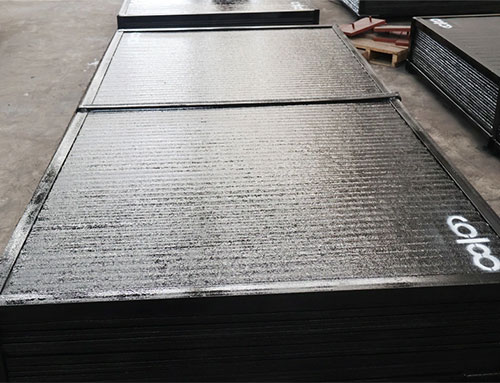
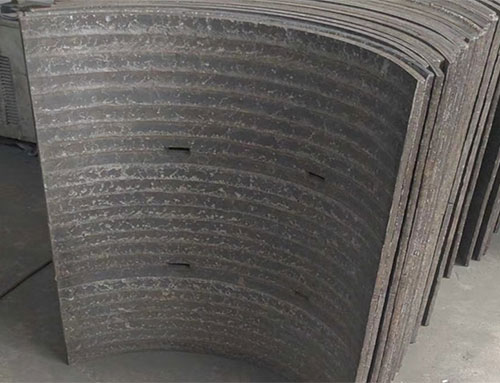
The most common materials are AR400, AR500, AR600, and other abrasion-resistant steels. For extreme wear applications, we also offer ceramic or composite wear plates with countersunk holes.
2. Can countersunk holes be added to existing wear plates?
Yes, we can drill countersunk holes in existing wear plates (provided the plate thickness is sufficient to accommodate the countersink depth without weakening the material).
3. What is the standard countersink angle for wear plate holes?
82° and 90° are the most standard angles, but we can customize the angle to match your specific fastener type (e.g., flat-head, oval-head, or pan-head fasteners).
Quality
Strict quality control standards to ensure every product meets the expected reliability and performance.
Price
Competitive prices that strike a perfect balance between cost-effectiveness and the value you deserve.
Service
Professional customer service is always ready to address your needs and provide satisfactory solutions promptly.
Management
Efficient and standardized operations powered by an ERP system to comprehensively manage all business processes.

Get in touch with us
Take a minute to connect with us today, and let’s turn your needs into results. We can’t wait to hear from you!