Maximizing Industrial Efficiency: The Ultimate Guide to Hardfacing Hopper Systems
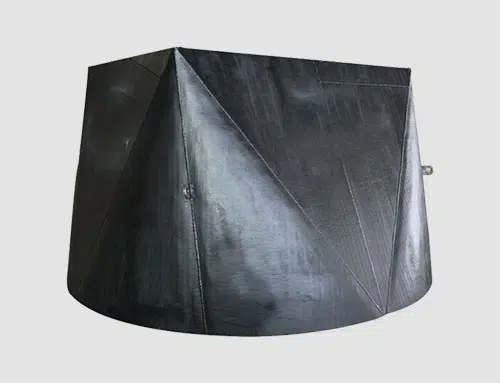
Table of Contents
In the world of heavy industry—ranging from mining and cement production to agriculture and recycling—hoppers are the unsung heroes of material handling. However, they are also among the most abused components in any facility. Whether it’s the constant bombardment of jagged rock, the abrasive friction of coal, or the corrosive impact of chemical fertilizers, hoppers face relentless wear.
This is where hardfacing hopper surfaces transitions from a luxury maintenance task to a core operational necessity.
What is Hopper Hardfacing?
Hardfacing, also known as “hardsurfacing,” is the process of applying a layer of wear-resistant material onto the surface of a metal part via welding. For a hopper, this involves reinforcing the internal walls, discharge chutes, and impact zones with specialized alloys. The goal isn’t just to repair damage but to create a metallurgical barrier that is significantly harder and more durable than the hopper’s base metal.
The Cost of Neglect: Why Standard Steel Isn’t Enough
Many industrial hoppers are fabricated from standard carbon steel. While structurally sound, carbon steel has relatively low resistance to localized abrasion and impact. Without a consistent hardfacing hopper strategy, several issues inevitably arise:
- Structural Thinning: Over time, abrasive materials “sand” down the hopper walls, leading to dangerous thinning and eventual breach.
- Increased Friction: As surfaces become pitted and scarred, material flow becomes turbulent, leading to “bridging” or “rat-holing” where material gets stuck.
- Unscheduled Downtime: A hopper failure often halts an entire production line, resulting in thousands of dollars in lost revenue per hour.
Top Hardfacing Materials for Hoppers
Selecting the right alloy for your project depends on the specific type of wear you are encountering. Most industrial applications fall into three categories:
1. Chromium Carbide Overlay (CCO)
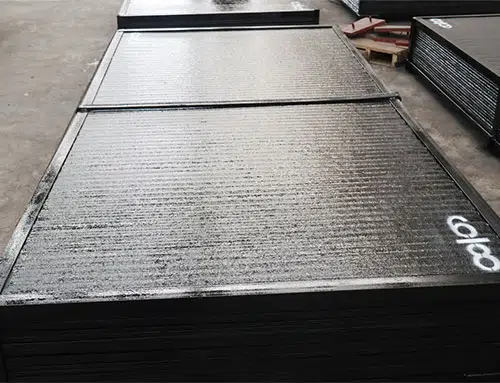
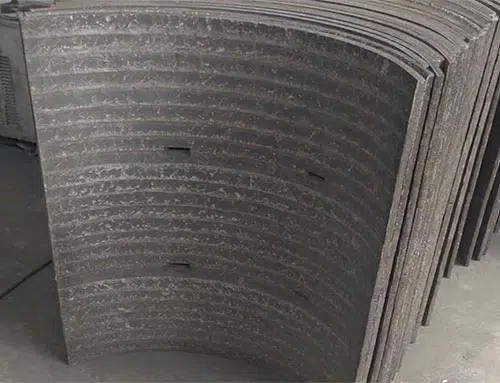
CCO is the industry standard for extreme abrasion. These plates or weld deposits contain high concentrations of chromium and carbon, forming hard carbides that resist the “scouring” action of sand, gravel, and ores. CCO is ideal for hoppers handling dry, gritty materials.
2. Tungsten Carbide
For the most extreme conditions where abrasion is combined with high-velocity impact, tungsten carbide deposits offer unparalleled hardness. While more expensive, the longevity it provides for critical hopper discharge points can justify the initial investment.
3. Martensitic Alloys
If your hopper is dealing with heavy, large-diameter rocks, you need impact resistance. Martensitic alloys provide a balance of toughness and hardness, ensuring the hardfacing doesn’t crack or “spall” off when struck by heavy loads.
Application Techniques: Overlay vs. Liners
When implementing a hardfacing hopper solution, there are two primary methods of application:
- Direct Weld Overlay: Using robotic or manual welding to apply the alloy directly to the hopper’s interior. This is excellent for complex geometries and ensures no gaps between the wear layer and the base metal.
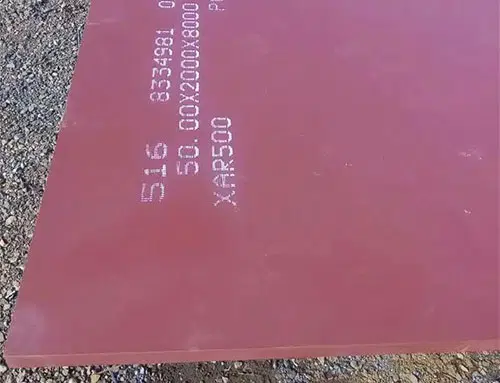
- Wear Plates/Liners: Pre-manufactured hardfaced plates are bolted or “plug-welded” into the hopper. This is often faster for large, flat surfaces and allows for easier replacement of specific sections in the future.
The ROI of Hardfacing Your Hopper
While the upfront cost of hardfacing is higher than using mild steel, the long-term economic benefits are clear. A properly hardfaced hopper can last 3 to 10 times longer than an untreated one. This longevity translates to:
- Reduced Labor Costs: Fewer maintenance intervals mean your welding and maintenance teams can focus on other critical infrastructure.
- Improved Flow Dynamics: Hardfacing materials often have lower coefficients of friction than rusted or pitted mild steel, improving material throughput.
- Sustainability: Extending the life of existing equipment reduces the carbon footprint associated with manufacturing and transporting new steel hoppers.
Conclusion: Investing in Longevity
In high-volume B2B operations, equipment reliability is the foundation of profitability. Implementing a hardfacing hopper program is a proactive step toward eliminating one of the most common “pain points” in bulk material handling. By choosing the right materials and application methods, you ensure that your hoppers remain the strongest link in your production chain.
Quality
Strict quality control standards to ensure every product meets the expected reliability and performance.
Price
Competitive prices that strike a perfect balance between cost-effectiveness and the value you deserve.
Service
Professional customer service is always ready to address your needs and provide satisfactory solutions promptly.
Management
Efficient and standardized operations powered by an ERP system to comprehensively manage all business processes.

Get in touch with us
Take a minute to connect with us today, and let’s turn your needs into results. We can’t wait to hear from you!