Ultimate Industrial Wear Plate Guide: Types, Selection, and Applications
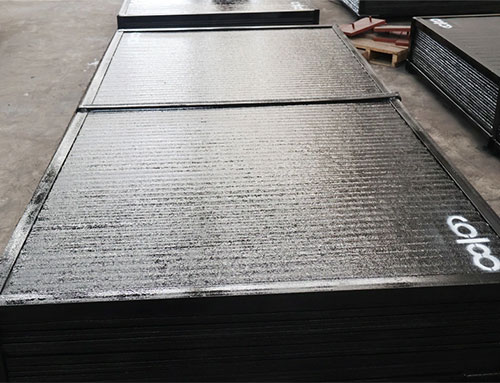
Table of Contents
In heavy industries like mining, quarrying, cement production, and power generation, machinery is constantly subjected to destructive mechanical forces. To protect expensive structural components from premature failure, engineers and maintenance managers rely on wear plates. These specialized liners serve as a sacrificial barrier, absorbing severe friction, erosion, and collision while preserving the underlying infrastructure.
This article satisfies the high-value, technical informational queries of engineers, procurement officers, and maintenance planners by providing a naturally written, deep dive into material taxonomies, selection variables, and fabrication guidelines.
What is a Wear Plate? The “Sacrificial Armor”
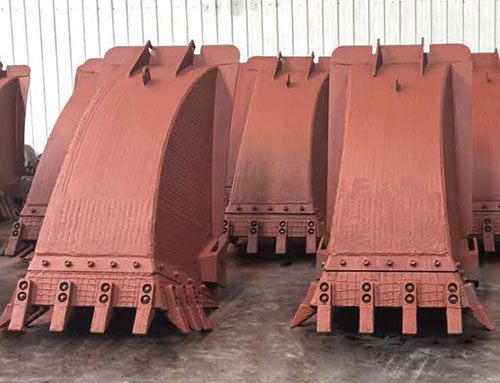
A wear plate is a replaceable, highly durable metal or composite plate fixed to areas of machinery that experience high friction or material impact. Instead of allowing raw material—such as abrasive quartz, heavy iron ore, or high-velocity ash—to erode the structural walls of a hopper, chute, or excavator bucket, the wear plate acts as a sacrificial layer.
The primary mechanism of action relies on specialized metallurgical structures and advanced chemical compositions. By isolating mechanical degradation to a component designed specifically to be replaced, industrial plants can extend the service life of major machinery by years, drastically decreasing capital expenditure and optimizing the total cost of operation.
Major Categories of Wear Resistant Plates
Industrial wear solutions are broadly categorized by their chemical makeup, manufacturing methods, and the specific styles of degradation they are engineered to withstand.
1. Through-Hardened AR Steel (AR400 – AR600)
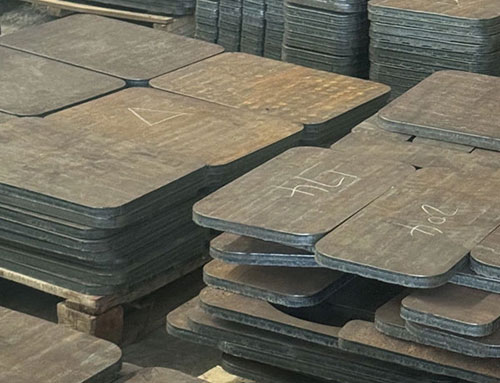
Abrasion Resistant (AR) steel is a carbon alloy steel that undergoes a thermal treatment process known as Quenching and Tempering (Q&T). This process creates a uniform martensitic microstructure, providing consistent hardness throughout the entire thickness of the steel core.
- AR400 Steel Sheet: Offers excellent formability and moderate weldability while maintaining tough structural integrity. It is ideal for general earthmoving equipment and truck beds.
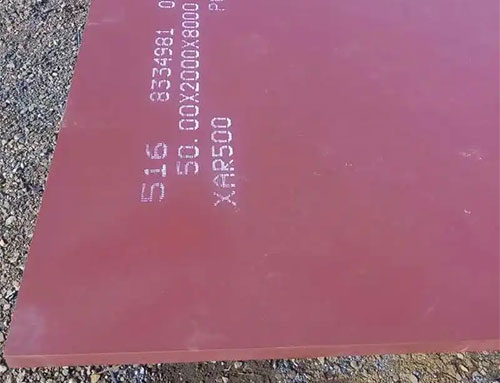
- AR500 Steel Plate: The standard transactional benchmark for aggressive sliding wear, balancing severe abrasion resistance with workable toughness. Engineers often evaluate a Hardox 500 equivalent when sourcing cost-effective, high-performing alternatives.
- AR600 Steel Sheet: Designed for maximum sliding resistance where fabrication and impact are secondary priorities.
2. Chromium Carbide Overlay (CCO) Bimetallic Plates
For operations dealing with severe sliding abrasion combined with moderate impact, standard AR steels may wear down too rapidly. In these environments, Chromium Carbide Overlay (CCO) plates are the industry standard.
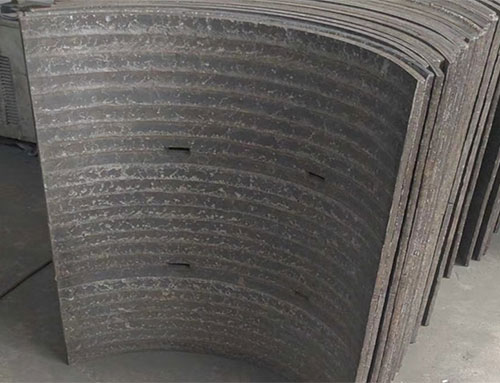
CCO is a bimetallic system created by depositing a high-chromium, high-carbon alloy layer onto a ductile mild steel backing plate through an automated arc welding process. The resulting microstructure features dense, primary M7C3 hexagonal carbides embedded in a tough iron matrix. This unique chemical composition typically contains 25–40% Chromium and 3–5.5% Carbon, allowing it to achieve a hardness of 55–62 HRC (600–700 BHN) and outlast standard AR steels by up to 12 times under heavy sliding friction.
3. Advanced Composite Systems
In high-tonnage mining operations, premium advanced composite systems represent the absolute cutting edge. These systems embed premium cemented carbide particles within a highly durable iron matrix. This metallurgical configuration allows the liner to last up to 20 times longer than conventional steel liners in extreme environments, shifting the focus from routine maintenance to uninterrupted production.
4. Specialized Non-Metallic & Hybrid Materials
- Industrial Ceramics: Provide extreme hardness tailored for fine-particle abrasion in dry, high-velocity environments, though they remain brittle under heavy impact.
- White Iron: High-alloy white iron vacuum-brazed to a steel backing, combining severe abrasion defense with strong localized impact protection.
- Rubber and Polymers (UHMWPE): Employed in high-impact or wet zones where noise reduction, shock absorption, and resistance to sticky material build-up are required.
Industrial Applications and Strategic Use Cases
Wear liners are critical in any operation handling abrasive bulk powders, aggregates, or high-velocity material flows:
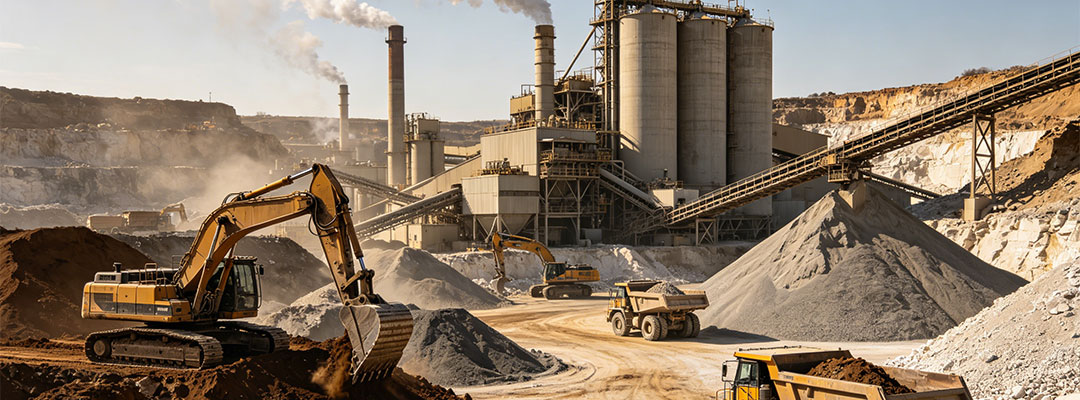
- Mining, Quarrying, and Mineral Processing: Protects jaw, cone, and impact crusher housings. Liners are widely utilized at high-velocity material transfer points, such as lining chutes, bins, and hoppers to ensure continuous flow and prevent structural puncture.
- Cement and Power Generation: High-velocity erosion from pulverized coal, clinker, or ash is common. In these sectors, specialized high temperature wear plates (such as CCO or specialized alloys like Hardox HiTemp) are deployed to handle extreme operating thermal zones reaching up to 500°C–600°C.
How to Select the Correct Wear Solution
Balancing Hardness and Impact Toughness
A common engineering mistake is selecting the hardest material available, assuming it will last the longest. Hardness, typically measured on the Brinell (HBW) or Rockwell (HRC) scale, directly prevents indentation and sliding scratches. However, as hardness increases, material ductility and toughness drop. If a high-hardness, brittle plate is hit with a heavy, multi-tonne boulder, it will crack. Therefore, applications with high-drop impact require heavy-impact absorption (toughness), whereas sliding chutes demand pure surface hardness.
Evaluating Thermal and Chemical Factors
Standard quenched and tempered AR steels begin to lose their hardness when exposed to temperatures exceeding 250°C because the heat alters their microstructure. If your application involves moving hot clinker, slag, or furnace exhaust, you must specify bimetallic CCO plates or specialized high-temperature grades that maintain structural integrity up to 600°C. Furthermore, if handling wet or acidic chemical slurries, a stainless-steel backing or polymer hybrid must be chosen to combat corrosive breakdown.
Calculating Total Cost of Ownership (TCO)
Procurement teams often look strictly at the initial price per tonne. However, true efficiency relies on evaluating the cost-per-hour of operation. Investing in a premium composite material or a specialized CCO plate may carry a higher initial purchase price, but if it extends the operational cycle from 3 months to 3 years, it eliminates multiple maintenance shutdowns. The return on investment (ROI) is realized through hundreds of saved hours in labor costs, structural welding repairs, and millions of dollars in avoided lost production time.
Technical Reference Data
| Parameter / Category | Technical Reference Data & Specifications |
| Weight Formula (Imperial) | Weight (lbs) ≈ Length (in) × Width (in) × Thickness (in) × 0.2836 |
| Hardness Conversion Equivalence | 59 HRC ≈ 590 HBW | 64 HRC ≈ 668 HBW |
| Standard Operating Temperature Limits | Standard AR Steels: Max 250°C | CCO & High-Temp Alloys: 500°C–600°C |
| Chromium Carbide (CCO) Hardness | Typically 55–62 HRC or 600–700 BHN |
| Chemical Composition of CCO | Typically 25–40% Chromium and 3–5.5% Carbon |
| Fabrication Cutting Preferences | Plasma or Waterjet (Highly Recommended) | Oxy-fuel (Not Recommended) |
Technical Fabrication and Maintenance Guidelines
To ensure a wear plate does not prematurely fail, specific metallurgical rules must be followed during installation and shaping.
Precision Cutting Standards
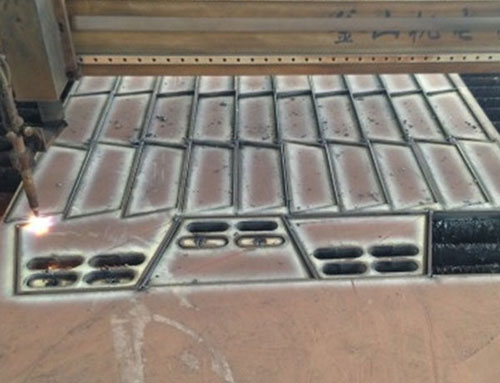
- Plasma Cutting: The most efficient and widely used method for slicing through AR steels and CCO plates. It offers clean edges at a manageable speed.
- Waterjet Cutting: The ultimate method for precision fabrication. Because it uses no thermal energy, it creates zero Heat-Affected Zone (HAZ), completely preventing micro-cracking along the cut borders.
- Oxy-fuel Cutting: Generally not recommended for CCO plates as the intense, slow heat input can damage the bimetallic interface and distort the overlay chemistry.
Structural Welding and Bolting Procedures
When welding bimetallic CCO plates, structural attachment should be performed on the structural mild-steel backing plate using low-hydrogen electrodes (such as AWS E7018). Direct, intense heat should be kept away from the brittle overlay layer to prevent structural cracking. For heavy, fixed-plant components where quick change-outs are needed, bolting via countersunk holes or utilizing factory-embedded back studs is highly recommended.
The Physics of Stress-Relief Cracks in CCO
A frequent point of concern for quality inspectors is the presence of fine, hairline cracks running perpendicular to the weld beads on new Chromium Carbide Overlay plates. It is critical to understand that these stress-relief cracks are a natural, intended consequence of the manufacturing process.
During the automated arc welding overlay process, the intense heat causes thermal expansion. As the high-chromium overlay cools down, it contracts at a faster, more volatile rate than the ductile mild steel backing plate. To prevent the entire plate from warping or bending out of shape, the hard, brittle overlay naturally develops superficial cracks. These surface fractures relieve the internal residual stresses, do not penetrate the mild steel base backing, and absolutely do not compromise the wear resistance or structural performance of the plate.
Frequently Asked Questions (FAQ)
Q1: What is an industrial wear plate, and how does it protect heavy machinery?
A: An industrial wear plate is a replaceable, sacrificial liner designed to protect the structural integrity of heavy equipment from severe friction, erosion, sliding abrasion, and high-velocity material impact. Fixed directly to machine surfaces (such as chutes, hoppers, and excavator buckets), these plates absorb the brunt of raw material contact. This extends the service life of expensive underlying components and ensures uninterrupted plant operations.
Q2: What is the difference between AR500 steel plate and Chromium Carbide Overlay (CCO)?
A: The primary difference lies in their manufacturing processes, microstructures, and performance limits:
- Through-Hardened AR500 Steel: A carbon alloy steel that undergoes quenching and tempering (Q&T) to achieve a uniform hardness (~500 BHN) throughout its core. It offers an economical balance of sliding resistance and structural impact toughness.
- Chromium Carbide Overlay (CCO): A bimetallic plate consisting of a high-chromium, high-carbon alloy layer fused to a mild steel backing plate via automated welding. Containing 25–40% Chromium and 3–5.5% Carbon, CCO forms dense primary M7C3 carbides that reach a hardness of 55–62 HRC (600–700 BHN). CCO can outlast standard AR steel by up to 12 times under severe sliding friction, though it is more brittle under heavy impact.
Q3: Why are there fine surface cracks on my new Chromium Carbide Overlay (CCO) plate?
A: These are known as stress-relief cracks, and they are a natural, non-detrimental characteristic of bimetallic plate fabrication. During the automated arc welding overlay process, the intense heat causes thermal expansion. As the high-chromium overlay cools, it contracts at a different rate than the ductile mild steel backing plate. To prevent the entire plate from warping or distorting, the brittle overlay naturally develops superficial cracks running perpendicular to the weld beads. These fractures safely relieve internal residual stresses, do not penetrate the mild steel base, and will not compromise the wear resistance or performance of the liner.
Q4: How do temperature limits affect the selection of abrasion-resistant liners?
A: Thermal stability is a critical factor in high-heat industrial zones like cement plant clinker handling or coal-fired power station ash handling. Standard quenched and tempered AR steels lose their microstructural hardness and begin to break down when exposed to operating temperatures exceeding 250°C. For high-heat environments, you must deploy high temperature wear plates, such as CCO or specialized alloys (e.g., Hardox HiTemp), which maintain structural integrity and hardness up to 500°C–600°C.
Q5: Why should procurement focus on Total Cost of Ownership (TCO) instead of price per tonne?
A: Looking strictly at the initial price per tonne focuses purely on short-term purchasing cost rather than long-term operating profitability. Premium materials—such as bimetallic CCO or advanced composite systems—cost more upfront but can last 6 to 20 times longer than standard structural steels in high-tonnage mining applications. By extending maintenance intervals from months to years, premium materials dramatically reduce operational downtime, slash structural welding repair labor, and eliminate millions of dollars in lost production time—delivering a significantly higher ROI per operating hour.
Q6: What are the recommended fabrication guidelines for cutting wear resistant plates?
A: Due to their specialized metallurgical properties, the choice of cutting method matters immensely:
- Plasma Cutting: Highly recommended. It is the most common and efficient method for slicing through both through-hardened AR steels and bimetallic CCO plates.
- Waterjet Cutting: Recommended for maximum precision. Because it is a cold cutting process, it creates zero Heat-Affected Zone (HAZ), eliminating the risk of micro-cracking along structural borders.
- Oxy-fuel Cutting: Not recommended for composite or CCO plates. The slow, intense heat input can severely warp the bimetallic interface and compromise the chemical composition of the overlay.
Quality
Strict quality control standards to ensure every product meets the expected reliability and performance.
Price
Competitive prices that strike a perfect balance between cost-effectiveness and the value you deserve.
Service
Professional customer service is always ready to address your needs and provide satisfactory solutions promptly.
Management
Efficient and standardized operations powered by an ERP system to comprehensively manage all business processes.

Get in touch with us
Take a minute to connect with us today, and let’s turn your needs into results. We can’t wait to hear from you!