
What Is a Wear Plate? Definition, Types, Uses & Key Benefits (2026 Guide)
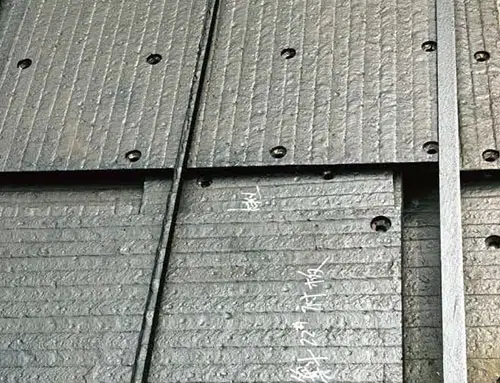
Table of Contents
Introduction
In heavy-duty industrial environments, constant friction, sharp impacts, and material abrasion gradually erode the surfaces of machinery. Uncontrolled wear leads to frequent equipment breakdowns, costly repairs, and unplanned operational downtime. This is where wear plates become an indispensable protective component. If you work in mining, construction, steel processing, or cement production, you have likely encountered these hardy metal plates without realizing their critical function. This comprehensive guide answers “what is a wear plate“, breaks down its core characteristics, classifications, real-world applications, and tangible business advantages for industrial operators.
What Is a Wear Plate? Clear Definition
A wear plate (also called a wear-resistant plate or steel liner) is a specialized sacrificial metal or composite plate engineered to protect machinery and structural surfaces from abrasion, impact, erosion, and high-friction damage. Unlike ordinary carbon steel plates, wear plates are manufactured with reinforced metallurgical structures, high-hardness alloys, and tempered materials to withstand harsh working conditions.
The core working principle of a wear plate is simple yet effective: it acts as a replaceable protective barrier. Instead of damaging expensive primary equipment, the low-cost wear plate absorbs mechanical wear and impact force. Once worn down, operators can easily replace the plate to extend the service life of heavy machinery without overhauling core equipment components.
Authoritative Fact: Standard industrial wear plates feature a Brinell hardness ranging from 360 to 600 HB, far exceeding regular structural steel, ensuring superior wear resistance in high-intensity working scenarios.
Core Key Properties of Quality Wear Plates
Not all steel plates qualify as industrial wear plates. Reliable wear plates must meet strict mechanical and chemical standards to adapt to harsh industrial environments. Below are non-negotiable core properties:
1. Exceptional Hardness
High hardness is the most fundamental attribute. Premium wear plates use quenched-and-tempered processing to resist scratching and grinding by bulk materials such as ore, cement clinker, and steel slag.
2. Strong Impact Toughness
Many industrial scenarios involve heavy material impact. Qualified wear plates will not crack or deform under sudden heavy impact, balancing hardness and toughness to avoid brittle fracture.
3. Corrosion & High-Temperature Resistance
Alloyed wear plates resist chemical corrosion from industrial waste and maintain stable physical performance under continuous high-temperature operating conditions, making them suitable for steel mills and thermal power plants.
4. Easy Processing & Installation
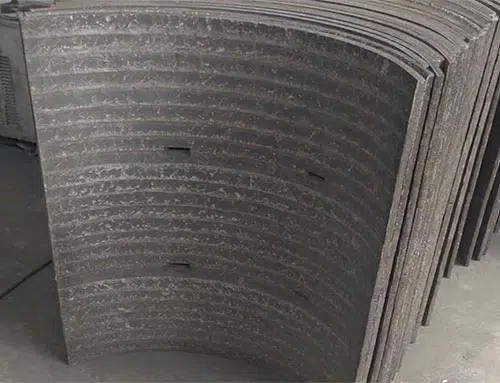
Standard wear plates support cutting, bending, welding, and drilling. Operators can customize sizes to fit hoppers, conveyor chutes, excavator buckets, and other irregular equipment surfaces.
Common Types of Wear Plates (Industrial Classification)
Wear plates are categorized by manufacturing technology and material composition. Each type targets specific wear scenarios for optimized cost performance:
1. Quenched & Tempered Wear Steel Plates
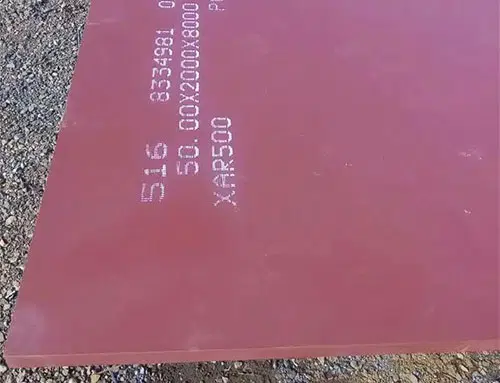
This is the most widely used type, made from high-carbon alloy steel and heat-treated. It features uniform hardness, low cost, and strong abrasion resistance. Ideal for conventional mining, construction, and material handling equipment.
2. Hardfaced Overlay Wear Plates
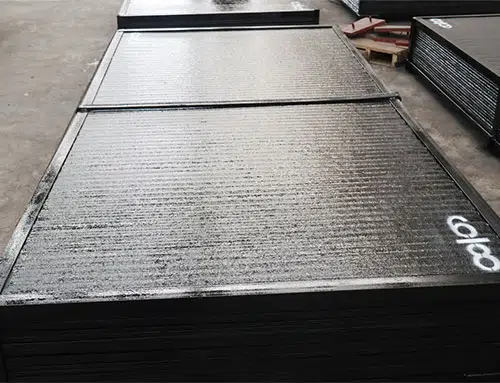
These plates have a welded hard alloy layer on the carbon steel substrate. The surface alloy layer provides extreme wear resistance, suitable for severe abrasive environments such as crusher liners and slag chutes.
3. Composite Wear Plates
Composite wear plates combine metal with ceramic or rubber materials. They deliver both wear resistance and noise reduction, commonly used for conveyor systems and food-grade material processing equipment.
4. High-Manganese Steel Wear Plates
With excellent impact resistance, these plates harden under repeated heavy impact. They are primarily applied to heavy mining equipment, including crusher jaws and ore skip liners.
Top Industrial Applications of Wear Plates
Wear plates serve as universal protective parts across heavy industries. Below are mainstream application scenarios verified by industrial manufacturing data:
1. Mining & Quarrying Industry
Mining is the largest consumer of wear plates. Common installations include excavator bucket liners, dump truck beds, crusher internal liners, vibrating screen baffles, and ore conveyor chutes to resist sharp rock abrasion.
2. Cement Industry
Cement production involves high-temperature and high-abrasion raw materials. Wear plates line clinker hoppers, grinding mill inner walls, and ash discharge pipelines to reduce erosion from cement raw meal and finished clinker.
3. Steel & Metallurgy Industry
Steel mills deploy wear plates for blast furnace auxiliary equipment, slag chutes, and sintering machine liners to withstand the impact of high-temperature molten slag and the friction of metal particles.
4. Construction & Heavy Machinery
Engineering machinery, such as loaders, bulldozers, and mixing equipment, uses wear plates on vulnerable contact surfaces to extend the service life of moving parts in earthwork and concrete mixing scenarios.
Key Business Benefits of Installing Wear Plates
For industrial enterprises, wear plates are a low-investment, high-return accessory. The core advantages focus on operational cost control and production stability:
1. Reduce Equipment Replacement Costs
Replacing low-cost wear plates is far more economical than repairing or scrapping expensive core machinery. Data from industrial metal manufacturers shows that qualified wear plates can extend equipment service life by 3–5 times.
2. Minimize Unplanned Downtime
Regular wear plate inspection and replacement prevent sudden equipment failures caused by surface abrasion, ensuring continuous production and avoiding economic losses from production halts.
3. Improve Operational Safety
Worn and damaged metal surfaces easily produce metal debris or structural fractures. Wear plates maintain equipment integrity and reduce mechanical failure and safety hazards for on-site workers.
4. Optimize Production Efficiency
Smooth wear plate surfaces reduce material adhesion and blockage in hoppers and pipelines, improving material circulation efficiency and reducing the frequency of manual cleaning.
How to Select the Right Wear Plate for Your Equipment
To maximize return on investment, match wear plate types to working conditions with these practical selection tips:
- Abrasion-only working conditions: Choose quenched-and-tempered wear steel plates for cost-effective abrasion resistance.
- Heavy impact scenarios: Prioritize high-manganese steel plates to avoid cracking under impact.
- High-temperature corrosive environments: Select alloy overlay or stainless composite wear plates.
- Limited installation space: Pick thin, customizable composite wear plates for flexible cutting and mounting.
Frequently Asked Questions (FAQs)
1. What is the difference between a wear plate and an ordinary steel plate?
Wear plates undergo professional heat treatment and alloy modification, resulting in higher hardness and toughness. Ordinary steel plates lack wear resistance and deform quickly in abrasive industrial environments.
2. How long does an industrial wear plate last?
Service life depends on working intensity. Conventional mining wear plates last 6–18 months, while low-abrasion workshop wear plates can remain functional for over 2 years.
3. Can wear plates be customized in size?
Yes. Most professional wear plate manufacturers offer custom cutting, bending, and drilling services to meet the installation requirements of non-standard equipment.
Final Thoughts
To sum up, a wear plate is a simple but critical protective component for modern heavy industry. It acts as a sacrificial barrier against abrasion, impact, and erosion, protecting expensive machinery, reducing maintenance costs, and stabilizing production operations. Whether you manage mining equipment, cement production lines, or engineering machinery, understanding “what is a wear plate” and selecting the correct type is an essential step to optimizing industrial asset management.
As industrial equipment continues to develop toward higher loads and greater efficiency, wear plates will remain an irreplaceable basic industrial material. Always prioritize high-hardness, tough, manufacturer-certified wear plates to ensure long-term operational stability of your equipment.
Quality
Strict quality control standards to ensure every product meets the expected reliability and performance.
Price
Competitive prices that strike a perfect balance between cost-effectiveness and the value you deserve.
Service
Professional customer service is always ready to address your needs and provide satisfactory solutions promptly.
Management
Efficient and standardized operations powered by an ERP system to comprehensively manage all business processes.

Get in touch with us
Take a minute to connect with us today, and let’s turn your needs into results. We can’t wait to hear from you!