
Maximizing Equipment Lifespan: The Ultimate Guide to Wear Plate Material Selection
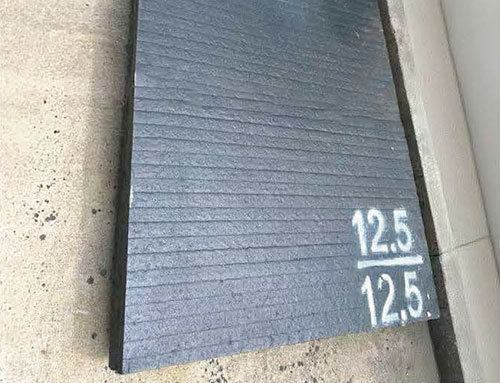
Table of Contents
Introduction
In heavy-duty industrial sectors, including mining, construction, cement manufacturing, and material handling, wear plates serve as critical protective components for mechanical equipment. Constant friction, high impact, corrosion, and exposure to extreme temperatures will gradually wear down equipment surfaces, leading to frequent downtime, high maintenance costs, and shortened machinery service life.
The core solution to minimize operational losses lies in rational wear plate material selection. However, most plant managers, procurement engineers, and equipment maintenance personnel struggle to distinguish between various wear plate materials. Choosing an unsuitable material will cause premature plate failure and unnecessary capital waste.
This ultimate guide covers all mainstream wear plate materials, key selection criteria, industry application scenarios, and tips for comparing materials. Whether you need abrasion, impact, or corrosion resistance, you can find a tailored material solution here.
Common Types of Wear Plate Materials (Pros, Cons, and Properties)
Different wear plate materials feature unique mechanical properties, chemical resistance, and cost ranges. Below is a detailed breakdown of the six most widely used industrial wear plate materials.
High-Manganese Steel Wear Plates
High-manganese steel (Hadfield steel) is famous for its work-hardening characteristic. Under continuous high-impact loads, the material surface will rapidly harden while maintaining internal toughness.
- Pros: Excellent impact resistance, strong deformation resistance, and not easy to crack under heavy impact
- Cons: Poor resistance to low-friction abrasion, low surface hardness in non-impact working conditions
- Best for: Mining crushers, ball mill liners, heavy ore handling equipment
Low-Alloy Abrasion-Resistant Steel Plates
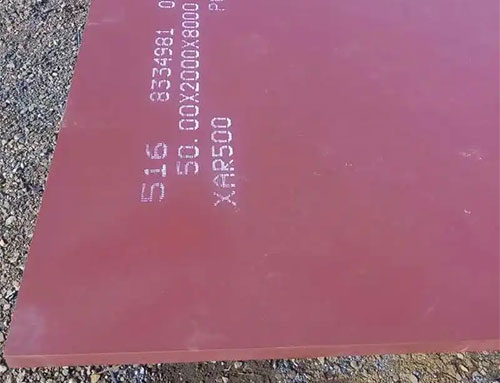
Low-alloy wear steel plates are the most cost-effective option for general industrial abrasion scenarios. With optimized carbon and alloy element ratios, they balance hardness and machinability.
- Pros: Affordable price, easy cutting and welding, moderate abrasion resistance
- Cons: Weak corrosion resistance, poor performance under extreme high impact
- Best for: Conveyor chutes, dump truck liners, general construction machinery
Chromium Carbide Overlay (CCO) Wear Plates
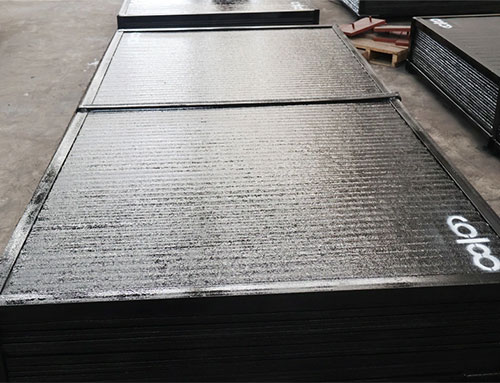
CCO wear plates adopt a surfacing welding process, with a chromium carbide alloy layer on the carbon steel base. It boasts ultra-high surface hardness and stable abrasion resistance.
- Pros: Outstanding anti-abrasion ability, long service life, high temperature resistance
- Cons: Brittle surface, not suitable for strong impact environments, high cost
- Best for: Cement mills, coal handling systems, ash disposal equipment
Ceramic Composite Wear Plates
Ceramic composite plates combine alumina ceramic tiles with steel substrates. The ceramic layer provides extreme hardness, while the steel layer ensures structural toughness.
- Pros: Super wear resistance, corrosion resistance, lightweight, low friction coefficient
- Cons: Fragile against sharp, heavy impact, complex installation process
- Best for: Powder conveying pipelines, chemical industry equipment, food processing machinery
Stainless Steel Wear Plates
Made of 304 or 316 stainless steel, these plates prioritize corrosion resistance while maintaining basic abrasion performance.
- Pros: Excellent acid and alkali corrosion resistance, rust-proof, easy cleaning
- Cons: Low surface hardness, poor anti-abrasion ability compared with alloy steel
- Best for: Chemical plants, marine equipment, food, and pharmaceutical production lines
Hardened Carbon Steel Plates
Heat-treated carbon steel plates have enhanced surface hardness through quenching and tempering, making them an upgraded version of ordinary carbon steel.
- Pros: High mechanical strength, good ductility, easy processing, and forming
- Cons: Average comprehensive performance, no outstanding advantages in extreme working conditions
- Best for: Light-load industrial equipment, conventional mechanical protection parts
Core Factors for Wear Plate Material Selection
To avoid material mismatch and waste, evaluate the following six critical factors before purchasing wear plates. This is the key standard for scientific wear plate material selection.
Working Condition Stress Type
Distinguish between abrasive wear and impact wear. For pure friction abrasion, such as powder conveying, choose CCO or ceramic composite plates; for heavy impact scenarios like ore crushing, prioritize high-manganese steel.
Environmental Conditions
Humid, acidic, or alkaline working environments require corrosion-resistant materials such as stainless steel or ceramic composite plates. For high-temperature industrial furnaces, select heat-resistant alloy wear plates to prevent thermal deformation.
Processing & Installation Requirements
If on-site cutting, bending, or welding is needed, select low-alloy steel or carbon steel plates with good machinability. Avoid brittle materials, such as chromium carbide plates, for secondary processing.
Service Life Expectation
For long-term continuous production lines with low maintenance frequency, invest in high-end CCO or ceramic plates. For temporary equipment or low-frequency use, cost-effective low-alloy steel is more suitable.
Budget Constraints
Material cost ranking (from low to high): Carbon steel < Low-alloy steel < High-manganese steel < Stainless steel < CCO steel < Ceramic composite plates. Balance the initial procurement cost and the later maintenance replacement cost.
Equipment Matching Size
Confirm plate thickness, size tolerance, and connection methods (bolted, welded, glued). Ultra-thick wear plates are suitable for heavy machinery, while thin composite plates are suitable for lightweight conveying equipment.
Industrial Application Recommendation Chart
| Industry | Main Working Stress | Recommended Wear Plate Material | Reason |
|---|---|---|---|
| Mining | Heavy impact + strong abrasion | High-manganese steel + CCO steel | Resist ore impact and friction, extend crusher service life |
| Cement Plant | Fine particle abrasion + high temperature | Chromium carbide overlay plate | High hardness and temperature resistance for grinding equipment |
| Chemical Industry | Corrosion + mild abrasion | Stainless steel / Ceramic composite | Acid and alkali resistance to prevent chemical erosion |
| Coal Handling | Medium abrasion + dust friction | Low-alloy wear steel | Cost-effective and easy for chute processing |
| Marine Engineering | Salt corrosion + impact | Marine-grade stainless steel | Anti-rust and seawater corrosion resistance |
Frequently Asked Questions (FAQ)
What is the most durable wear plate material?
Chromium carbide overlay wear plates have the longest service life under pure abrasion conditions, while high-manganese steel is the most durable in heavy-impact working conditions. Ceramic composite plates rank first in corrosion and lightweight wear scenarios.
Are expensive wear plates always better?
No. Expensive materials such as ceramic plates are fragile when subjected to heavy impact. Blindly purchasing high-priced plates will cause premature damage and waste. Always match materials with actual working conditions.
How to judge the quality of wear plates?
Check hardness test reports, material composition certificates, surface uniformity, and welding seam quality for composite plates. Qualified industrial wear plates must meet national or international hardness and toughness standards.
How often should wear plates be replaced?
Under normal working conditions, low-alloy steel plates last 3-6 months, CCO plates last 1-2 years, and ceramic composite plates can serve more than 2 years. The replacement cycle depends on the material conveying volume and friction intensity.
Final Tips for Wear Plate Material Selection
- Prioritize working conditions over price: Define impact force, abrasion medium, and environmental temperature first to eliminate mismatched materials.
- Combine two materials for complex scenarios: Use high-manganese steel for impact parts and CCO plates for friction parts to maximize cost performance.
- Focus on after-sales processing: Choose suppliers that provide cutting, bending, and customized sizing services to reduce on-site processing costs.
- Establish regular inspection cycles: Check the degree of plate surface wear monthly to replace damaged plates in advance and prevent equipment failure.
Conclusion
Reasonable selection of wear plate material is a simple yet effective way to reduce industrial equipment maintenance costs and improve production efficiency. Each material has its own applicable scenarios: high-manganese steel for impact resistance, CCO plates for abrasion resistance, stainless steel for corrosion resistance, and low-alloy steel for cost control.
By analyzing working conditions, budget, and processing requirements, you can easily screen out the most suitable wear plate. Never blindly pursue high hardness or low price—the best wear plate is the one that perfectly matches your production equipment.
Need customized wear plate material recommendations? Contact our professional engineering team for a free one-on-one consultation today.
Quality
Strict quality control standards to ensure every product meets the expected reliability and performance.
Price
Competitive prices that strike a perfect balance between cost-effectiveness and the value you deserve.
Service
Professional customer service is always ready to address your needs and provide satisfactory solutions promptly.
Management
Efficient and standardized operations powered by an ERP system to comprehensively manage all business processes.

Get in touch with us
Take a minute to connect with us today, and let’s turn your needs into results. We can’t wait to hear from you!