
Can Bimetal Welding Wear Plate be used in corrosive environments?
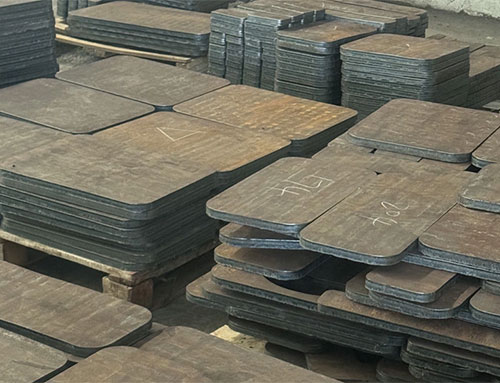
Industrial production environments, including chemical processing, mine beneficiation, sewage treatment, and marine engineering, are plagued by complex corrosive factors such as acid-base liquid erosion, salt spray corrosion, and electrochemical oxidation. For manufacturing and processing enterprises, choosing durable, wear-resistant metal plates is critical for reducing equipment maintenance costs and extending service life. Among common wear-resistant materials, the bimetal welding wear plate is widely favoured for its excellent anti-abrasion performance. However, most buyers and engineers have a common concern: Can a bimetal-welded wear plate be used in corrosive environments?
In this article, we will break down its material structure, corrosion resistance capability, applicable corrosive scenarios, usage limitations, and optimization suggestions to help you make a cost-effective material selection decision.
What is a Bimetal Welding Wear Plate?
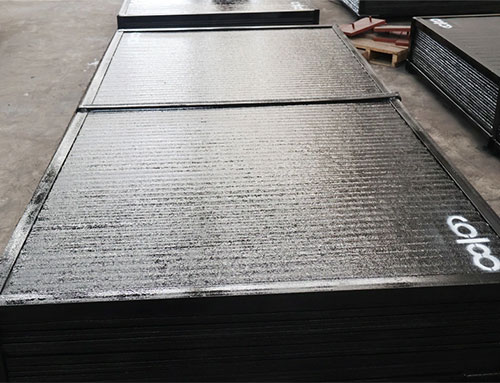
Before analyzing its corrosion resistance, it is necessary to clarify the basic structure of a bimetal welding wear plate. This composite steel plate is manufactured through an automatic surfacing welding process, combining two different metal materials organically:
- Base Layer: Low-carbon steel or low-alloy steel, providing strong mechanical toughness, impact resistance, and easy welding and cutting processing. It ensures the overall structural stability of the wear plate under heavy load.
- Wear-resistant Cladding Layer: High-carbon chromium alloy with high hardness (HRC 55-65), containing alloy elements such as chromium, manganese, molybdenum, and niobium. This layer is the core functional layer for abrasion and corrosion resistance.
Unlike single-material wear steel plates, the bimetal composite structure balances toughness and surface performance, making it superior to ordinary carbon steel plates in harsh industrial conditions.
Is Bimetal Welding Wear Plate Corrosion-Resistant?
Yes, qualified bimetal welding wear plates can be used in corrosive environments, but with conditional applicability.
It cannot withstand severe corrosion, such as concentrated strong acids, but it performs excellently in weak acids, weak alkalis, saltwater, humidity, and atmospheric corrosion. Its corrosion resistance mainly comes from the high-alloy cladding layer on the surface:
- Chromium Alloy Passivation Film: The high chromium content in the cladding layer forms a dense oxide passivation film on the plate surface, which isolates the plate from air, moisture, and corrosive liquids, preventing electrochemical corrosion.
- Stable Metallurgical Structure: The surfacing welding process forms a uniform alloy layer without gaps, avoiding liquid penetration and interlayer corrosion between composite layers.
- Synergistic Alloy Elements: Molybdenum and manganese enhance resistance to chloride-ion corrosion, making the alloy adaptable to salt-spray and brackish-water environments.
Applicable Corrosive Environments for Bimetal Welding Wear Plates
Combined with material characteristics and industrial application data, we sorted out the most suitable corrosive working scenarios for this wear plate:
1. Sewage & Wastewater Treatment Industry
Domestic sewage and industrial wastewater contain trace acid-base substances and organic corrosives. Bimetal welding wear plates are used for sewage tank liners, sludge conveyor baffles, and filter bottom plates. They resist both mild chemical corrosion and solid-particle abrasion simultaneously.
2. Mine & Mineral Processing Plants
Ore slurry contains sulfide and trace acidic substances. The wear plate protects chute liners, vibrating screen bottom plates, and ore mixing tanks. It withstands both slurry erosion and weak chemical corrosion.
3. Marine & Coastal Engineering
Coastal factories and marine transportation equipment are subject to salt spray corrosion. The chloride-resistant alloy layer effectively slows saltwater corrosion, making it suitable for coastal conveyor equipment and storage tank linings.
4. Building Material & Cement Industry
High-temperature flue gas and dusty humid air cause atmospheric corrosion. The wear plate is used on cement silo liners and ash-conveying pipelines to resist dust corrosion and high-temperature oxidation.
Limitation: When Should You Avoid Using It?
To avoid unnecessary equipment failure, it is vital to master its usage restrictions. Do not use standard bimetal welding wear plates in the following extreme corrosive environments:
- Concentrated strong acid environment: Concentrated sulfuric acid, hydrochloric acid, and nitric acid will quickly corrode the alloy layer and damage the plate structure.
- High-temperature, strong-alkali liquid: Long-term immersion in a high-concentration alkali solution will cause alkali brittleness in the composite layer.
- Severe galvanic corrosion conditions: Direct contact with dissimilar metals in pure saltwater without anti-corrosion treatment will accelerate local corrosion.
4 Practical Tips to Improve Corrosion Resistance
If you need to use bimetal welding wear plates in medium-corrosive working conditions, these optimization methods can extend their service life by 30%-50%:
- Customize Alloy Components: Add more molybdenum and copper elements to the cladding layer for enhanced acid and salt corrosion resistance.
- Surface Anti-corrosion Coating: Spray anti-rust and anti-corrosion paint on the non-working surface to prevent exposure to external humid air.
- Strict Welding Operation: Avoid welding cracks and gaps, which are the main inducements of local corrosion.
- Regular Maintenance: Clean surface corrosive deposits regularly to prevent long-term adhesion of corrosive media.
Bimetal Welding Wear Plate vs. Other Corrosion-Resistant Wear Plates
| Plate Type | Corrosion Resistance | Abrasion Resistance | Cost Performance | Application Scenario |
|---|---|---|---|---|
| Bimetal Welding Wear Plate | Good (weak acid/alkali/salt) | Excellent | High | Mild corrosive industrial field |
| Stainless Steel Wear Plate | Excellent | Medium | Low | Strong corrosive & low abrasion condition |
| High Manganese Steel Plate | Poor | Good | Medium | Dry non-corrosive mining condition |
Final Verdict
Bimetal welding wear plates are fully usable in conventional corrosive environments including weak acid, weak alkali, salt spray, and humid atmospheric conditions. Its composite alloy structure balances abrasion resistance and moderate corrosion resistance, offering clear cost advantages over pure stainless steel wear plates. However, it is not suitable for extremely strong acid and strong alkali working conditions.
For most mining, sewage treatment, cement, and coastal industrial enterprises, this wear plate is a balanced and reliable anti-corrosion and anti-abrasion material. It is recommended to customize the alloy ratio according to specific corrosive media to maximize service life.
FAQs About Bimetal Welding Wear Plate Corrosion Resistance
Q1: How long is the service life in corrosive environments?
Under mild corrosive conditions, the service life is 2-5 years, 3-4 times longer than that of ordinary carbon steel plates.
Q2: Can it be cut and processed after anti-corrosion customization?
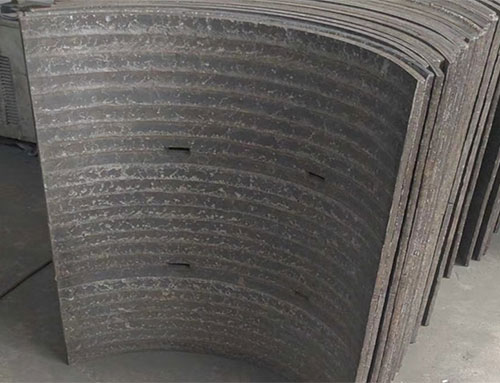
Yes. It retains the processing characteristics of a low-carbon steel base layer, supporting cutting, bending, and welding without damaging the anti-corrosion alloy layer.
Q3: Does high temperature affect its corrosion resistance?
It can withstand working temperatures below 350℃. Excessively high temperatures will degrade the surface passivation film and reduce corrosion resistance.
Bottom Line
If you are looking for a cost-effective wear-resistant plate for mild corrosive industrial environments, the bimetal welding wear plate is your ideal choice. If your working conditions involve severe corrosion, we recommend upgrading to high-alloy stainless steel composite plates. Contact us for customized material solutions and free technical parameter consultation.
Quality
Strict quality control standards to ensure every product meets the expected reliability and performance.
Price
Competitive prices that strike a perfect balance between cost-effectiveness and the value you deserve.
Service
Professional customer service is always ready to address your needs and provide satisfactory solutions promptly.
Management
Efficient and standardized operations powered by an ERP system to comprehensively manage all business processes.

Get in touch with us
Take a minute to connect with us today, and let’s turn your needs into results. We can’t wait to hear from you!