
Bucket-Wheel Excavator Bucket: Design, Material, Types & Maintenance Guide
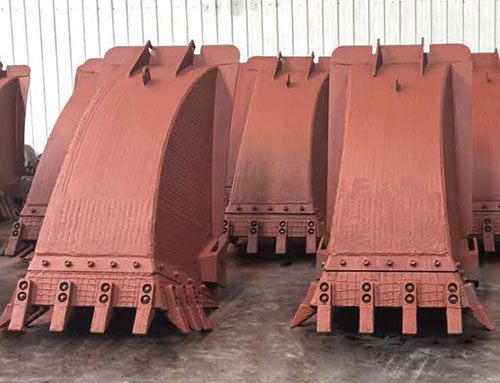
Table of Contents
Introduction
A bucket-wheel excavator bucket is the core working component of bucket-wheel excavators (BWEs), the massive continuous earthmoving machines widely used in open-pit mining, coal mining, large-scale land reclamation, and infrastructure earthworks. Unlike traditional single-bucket excavator attachments, the bucket-wheel excavator bucket operates in continuous cyclic rotation, delivering uninterrupted material scooping, lifting, and discharging. Its performance directly determines the overall working efficiency, operational stability, and service life of the entire bucket-wheel excavator system.
In heavy-duty mining and bulk earthmoving scenarios, BWE buckets endure extreme working conditions: high-frequency impacts, severe abrasive wear, heavy load tension, and exposure to corrosive materials such as coal gangue, sandstone, clay, and ore. Therefore, the design structure, manufacturing materials, processing technology, and daily maintenance of the bucket-wheel excavator bucket are critical for reducing equipment downtime, cutting replacement costs, and maximizing construction productivity. This comprehensive guide elaborates on every key detail of bucket-wheel excavator buckets to help industry practitioners select, use, and maintain equipment scientifically.
What Is a Bucket-Wheel Excavator Bucket? Core Working Principle
The bucket-wheel excavator bucket is a standardized, high-strength scooping component fixed evenly on the rim of the bucket wheel. A complete bucket wheel is assembled with dozens of independent buckets, forming a continuous rotating working system. When the bucket wheel rotates, each bucket-wheel excavator bucket sequentially contacts the material pile, completes cutting and scooping, lifts the material to the top of the wheel, and discharges it onto the internal conveyor belt by gravity, thereby enabling a fully continuous, unmanned earthmoving operation.
Unlike intermittently working traditional excavator buckets, bucket-wheel excavator buckets feature cyclic, continuous operation, high operating frequency, and stable load output. This continuous working mode makes BWEs the most efficient equipment for large-volume bulk material stripping and transportation, with hourly handling capacity reaching thousands of cubic meters. However, the high-frequency repetitive working mode also puts forward stricter requirements on the wear resistance, structural rigidity, and fatigue resistance of the bucket body, which is why professional customized bucket-wheel excavator buckets are irreplaceable in heavy engineering scenarios.
Key Structural Design of Bucket-Wheel Excavator Buckets
The structural design of a high-quality bucket-wheel excavator bucket is precisely optimized based on fluid mechanics and mechanical stress analysis, ensuring low resistance in material scooping and smooth discharging while maintaining ultra-high structural strength. The complete bucket structure is divided into four core parts, each with independent functional design characteristics.
1. Bucket Body Shell
The bucket body shell is the primary bearing and material storage structure of the bucket-wheel excavator. It adopts an integral curved-streamline design, which effectively reduces cutting resistance during material penetration and prevents material adhesion. Regular streamline modelling ensures that materials slide out quickly during top discharge, eliminating residual material accumulation that affects working efficiency. The shell uses thickened integral steel plates with overall welding forming technology, which optimizes internal stress distribution and avoids structural deformation or cracking under long-term heavy load operation.
2. Cutting Edge & Bucket Teeth
The cutting edge and bucket teeth are the most wear-prone parts of the bucket-wheel excavator, directly contacting and cutting hard materials. The cutting edge is made of high-hardness, wear-resistant steel, with a sharp-angle design to improve cutting performance on compacted soil, hard ore, and layered coal seams. Matched high-strength bucket teeth are forged from high-manganese alloy steel, which has excellent impact toughness and wear resistance. When encountering hard obstacles such as rocks, the bucket teeth preferentially bear impact and wear, protecting the main bucket body from damage and greatly extending the overall service life of the bucket.
3. Reinforcement & Wear Protection Structure
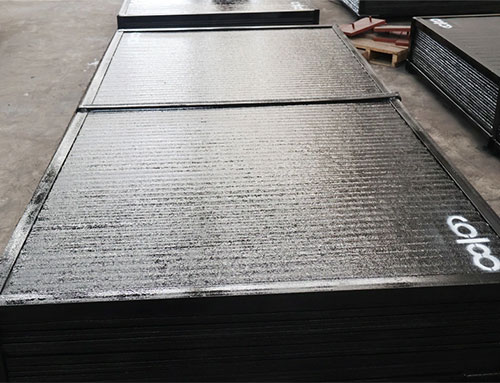
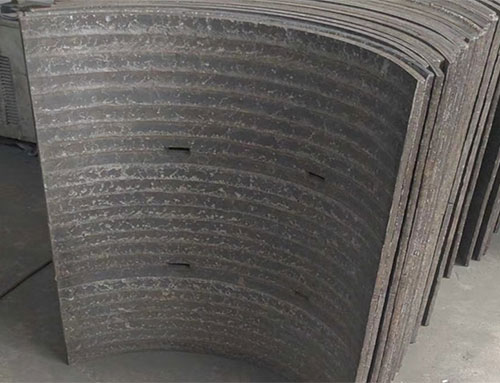
To adapt to long-term high-intensity operation, professional bucket-wheel excavator buckets are equipped with multiple reinforcement structures. Thickened wear-resistant backing plates are welded to the inner and outer walls of the bucket body, and reinforced rib plates are added at stress-concentration locations, such as the bucket bottom and side plates. This multi-layer reinforcement design disperses working pressure, improves overall structural stability, and effectively resists deformation under heavy-load impacts and long-term fatigue. Some high-end models also adopt overlay welding of wear-resistant alloy layers on vulnerable parts to further enhance anti-wear performance.
4. Fixed Connection Base
The fixed base is the connecting part between the bucket and the bucket-wheel disc, requiring high precision and rigidity. It employs integrated forging and CNC precision processing to ensure precise alignment with the wheel disc mounting holes. The stable connection structure prevents loosening, shaking, or falling off during high-speed rotation, ensuring the safety and stability of the entire bucket wheel operation. At the same time, the standardized mounting size supports quick disassembly and replacement, effectively reducing equipment maintenance downtime.
Premium Materials for Bucket-Wheel Excavator Buckets
Material selection determines the core performance and service life of wear-resistant bucket wheel excavator bucket products. Ordinary mild steel cannot withstand long-term heavy-duty mining conditions, so professional manufacturers use high-strength, abrasion-resistant steel and alloy materials with strict heat-treatment processes to meet extreme working demands.
1. Main Bucket Body Material
The main shell of high-quality bucket-wheel excavator buckets is generally made of ASTM A572 Grade 50 high-strength structural steel or AR360/AR400 abrasion-resistant steel. These materials have a yield strength of over 500 MPa, far exceeding that of ordinary mild steel, and maintain excellent structural stability under long-term heavy loads without permanent deformation. The materials have good weldability and toughness, which help resist the instantaneous impact force generated when cutting hard materials and prevent brittle cracking of the bucket body.
2. Vulnerable Parts Wear-Resistant Materials
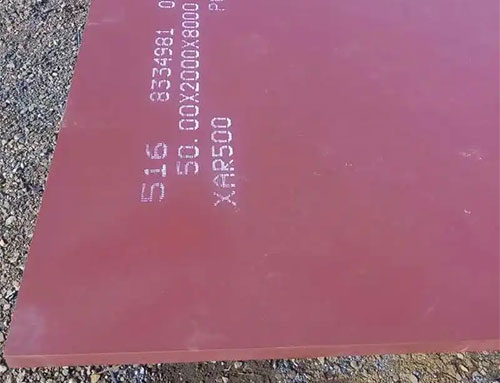
For cutting edges, wear plates and bucket teeth that bear the most severe wear, manufacturers widely use Hardox 450/Hardox 500 wear-resistant steel and high-manganese chromium-nickel alloy steel. Hardox series steel has ultra-high surface hardness and uniform wear resistance, effectively resisting abrasive wear from sand, ore, and gravel, and its service life is 50% longer than that of ordinary wear-resistant steel. High-manganese alloy bucket teeth have strong impact toughness, can absorb instantaneous impact energy, and are not easily broken when striking hard rocks.
3. Auxiliary Anti-Corrosion Process Materials
In humid open-pit mining environments, buckets are prone to electrochemical corrosion and rust, which accelerates structural aging. High-end bucket-wheel excavator buckets adopt weather-resistant alloy materials and Dacromet coating or hot-dip galvanizing processes. The 20μm dense protective coating can pass 2000-hour salt spray tests, effectively isolating air and moisture, reducing the atmospheric corrosion rate, and ensuring stable performance in harsh outdoor environments over the long term.
Common Types of Bucket-Wheel Excavator Buckets & Application Scenarios
Depending on working conditions, material types, and load demands, bucket-wheel excavator buckets are divided into three mainstream types, covering all scenarios from conventional earthmoving to heavy-duty mining.
1. Standard Light-Duty Bucket
Standard light-duty bucket-wheel excavator buckets are suitable for operating in loose-material scenarios, such as ordinary soil, silt, and loose coal. They adopt conventional AR360 wear-resistant steel, with moderate self-weight and flexible operation. The bucket body has a smooth inner wall to reduce material adhesion and improve discharging efficiency. This type of bucket is cost-effective, suitable for conventional land reclamation, river dredging, and loose-soil stripping projects, and is the preferred choice for low-load, low-wear working conditions.
2. Medium-Duty Universal Bucket
Medium-duty buckets are the most widely used general-purpose models, applicable to most open-pit coal mines, gravel yards, and mixed soil-and-stone working conditions. They use AR400 wear-resistant steel overall, with thickened wear plates and reinforced rib structures. They balance wear resistance, impact resistance, and cost performance, and can reliably handle mixed materials containing a small amount of hard rock. They are suitable for long-term continuous operation with most standard bucket-wheel excavators.
3. Heavy-Duty Mining Bucket
Heavy-duty bucket wheel excavator bucket is specially customised for harsh working conditions such as hard rock mining, high-hardness ore stripping, and frozen soil excavation. It adopts Hardox 500 ultra-wear-resistant steel and an integral forging process, with a fully thickened bucket body, reinforced bucket teeth and multi-layer wear-resistant overlay welding. The overall structural strength and wear resistance are greatly improved, enabling resistance to strong impacts and severe abrasive wear by high-hardness materials. Although the cost is higher, it can greatly reduce replacement frequency and downtime loss, and is the most cost-effective choice for long-term heavy-duty mining projects.
How to Choose the Right Bucket-Wheel Excavator Bucket? Professional Selection Guide
Reasonable selection of bucket-wheel excavator buckets is key to balancing operational efficiency and operating costs. Users need to make targeted selections based on four core factors: working conditions, environmental conditions, material characteristics, equipment parameters and operating cycles.
1. Select According to Material Hardness
For loose materials such as silt, loose coal, and ordinary soil, standard light-duty buckets can meet the demand, reducing equipment self-weight and energy consumption. For mixed materials with a small amount of gravel and medium-hardness coal seams, medium-duty universal buckets are the best choice. For hard rock, frozen soil, high-hardness ore, and other high-wear, high-impact materials, heavy-duty mining buckets must be selected to avoid frequent damage and replacement.
2. Match Equipment Parameters
Bucket capacity, installation size and self-weight must match the original bucket-wheel excavator model. Excessively large capacity will cause the equipment to operate in overload and affect mechanical stability; excessively small capacity will reduce overall working efficiency. Standardized installation size ensures quick assembly and disassembly, avoiding modification and adaptation costs. It is necessary to confirm the wheel disc mounting hole spacing, bucket radius, and rated load parameters before purchasing replacement parts for the bucket wheel excavator.
3. Balance Cost and Service Life
Short-term small-scale projects can prioritize cost-effective standard buckets to control investment costs. For long-term continuous operation of large mines and key infrastructure projects, high-priced heavy-duty wear-resistant buckets are more economical. Although the one-time purchase cost is higher, the ultra-long service life can greatly reduce replacement times, maintenance labor costs and equipment downtime losses, and the comprehensive benefit is significantly better than ordinary buckets.
Daily Maintenance & Wear Treatment of Bucket-Wheel Excavator Buckets
Scientific daily maintenance can effectively extend the service life of bucket-wheel excavator buckets, reduce failure rates, and ensure long-term stable operation of equipment. Combined with the structural and working characteristics of buckets, the standardized maintenance scheme is summarized as follows.
1. Regular Wear Inspection
Focus on checking the degree of wear on key vulnerable parts before and after daily operation: bucket teeth, cutting edge, inner wall wear plates, and bottom reinforcement plates. When the wear thickness exceeds 30% of the original thickness, or local pits and deformation occur, repair and replacement should be carried out in time to avoid reducing cutting efficiency and causing structural stress imbalance. At the same time, check the welds for cracks to prevent structural failure during operation.
2. Timely Cleaning & Anti-Corrosion Protection
After daily operation, clean the residual soil, ore, and sticky materials inside and outside the bucket to prevent long-term material adhesion, which can lead to corrosion and increased operating resistance. For equipment parked in the open air for a long time, regularly repair the damaged anti-corrosion coating, polish rusted parts and apply anti-rust paint to avoid accelerated aging of the bucket body caused by electrochemical corrosion.
3. Professional Repair & Replacement Rules
For local minor wear and crack defects, professional wear-resistant overlay and repair welding technologies can be used to restore the bucket’s working performance and reduce replacement costs. For severely deformed bucket bodies, broken bucket teeth and worn-through wear plates, forced replacement must be carried out to eliminate potential safety hazards. It is recommended to reserve a certain number of bucket wheel excavator bucket replacement parts on site to realize rapid replacement and reduce construction downtime.
Why High-Quality Bucket-Wheel Excavator Buckets Improve Your ROI
Many engineering enterprises ignore the importance of bucket quality and opt for low-cost, inferior buckets, resulting in frequent equipment failures, frequent maintenance shutdowns, and increased overall operating costs. In fact, high-quality bucket-wheel excavator buckets bring multiple core value improvements to engineering projects.
First, high-precision streamline design and low-resistance cutting structure effectively improve material scooping and discharge efficiency, increasing the hourly material-handling capacity of the bucket-wheel excavator and shortening the project construction cycle. Second, high-strength, wear-resistant materials and a reinforced structure greatly extend service life, reduce the frequency of replacement and maintenance, and save significant labour and parts costs. Third, stable structural performance avoids equipment vibration, shaking and failure caused by bucket deformation and damage, ensuring the safety and continuity of continuous operation, and effectively avoiding economic losses caused by project delays.
In large-scale open-pit mining and bulk earthmoving projects with long operating cycles and high intensity, the comprehensive cost savings from using professional wear-resistant bucket wheel excavator bucket products far exceed the one-time purchase price difference, making this an indispensable key link for enterprises to realise efficient, low-cost construction.
Conclusion
As the core working component of bucket-wheel excavators, the bucket plays a decisive role in the equipment’s working efficiency, operational stability, and overall operating cost. Its scientific structural design, high-quality wear-resistant materials, reasonable model selection and standardized maintenance are the four key points to ensure long-term efficient operation. Whether for open-pit coal mining, ore stripping, land reclamation or river dredging projects, matching high-quality bucket-wheel excavator buckets can maximize equipment performance, reduce comprehensive operation costs, and create greater economic benefits for engineering projects.
Enterprises should abandon the single cost-saving thinking, select targeted bucket products according to actual working conditions, and establish a standardized daily maintenance mechanism to fully release the working performance of bucket-wheel excavator equipment and lay a solid foundation for efficient and stable construction.
Quality
Strict quality control standards to ensure every product meets the expected reliability and performance.
Price
Competitive prices that strike a perfect balance between cost-effectiveness and the value you deserve.
Service
Professional customer service is always ready to address your needs and provide satisfactory solutions promptly.
Management
Efficient and standardized operations powered by an ERP system to comprehensively manage all business processes.

Get in touch with us
Take a minute to connect with us today, and let’s turn your needs into results. We can’t wait to hear from you!