
Crusher Wear Plates: Ultimate Selection, Maintenance & Lifespan Guide 2026
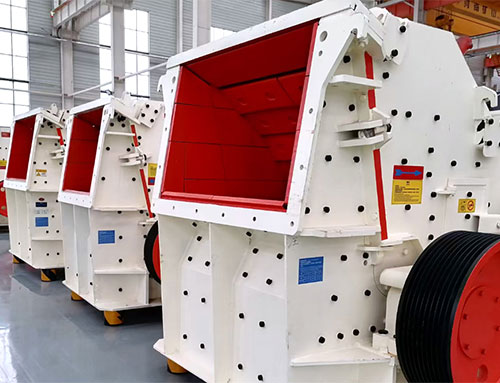
Table of Contents
Introduction: Why Crusher Wear Plates Define Your Crushing Operation’s Success
In mining, aggregate production, construction demolition, and quarry operations, crushers serve as the backbone of material processing workflows. While most operators focus on engine performance, throughput rates, and machine uptime, one critical component often flies under the radar: crusher wear plates. These heavy-duty protective liners line the inner chambers of jaw, cone, and impact crushers, absorbing constant impact, abrasion, and compression from raw rock, ore, gravel, and recycled construction materials.
Without high-quality, properly fitted crusher wear plates, your crusher’s internal housing suffers premature damage, crushing efficiency drops drastically, unplanned downtime spikes, and operational costs skyrocket. Industry data confirm that wear parts account for over 60% of total crusher maintenance expenses, with wear plates being the most frequently replaced component across all crusher types. Whether you manage a small local quarry or a large-scale mining facility, understanding how to select, install, maintain, and replace crusher wear plates is the key to maximizing productivity, minimizing downtime, and optimizing long-term operational budgets.
This comprehensive guide breaks down everything you need to know about crusher wear plates, including core functions, material grade comparisons, type-specific applications, common failure causes, actionable maintenance strategies, and expert tips to extend service life. By the end of this post, you will have a clear framework for selecting the perfect wear plates for your unique crushing application and eliminating costly, preventable failures.
What Are Crusher Wear Plates? Core Functions & Operational Role
Crusher wear plates, also referred to as crusher liners, wear liners, or jaw plates (for jaw crushers), are thick, hardened metal plates engineered to protect the crusher’s main frame, rotor, and crushing chamber from extreme mechanical stress during material reduction. Unlike standard machine parts designed for structural support, wear plates are purpose-built as sacrificial wear components. They absorb abrasive friction, high-velocity impacts, and compressive forces generated during crushing, protecting the expensive main crusher body from irreversible wear and damage.
Beyond basic machine protection, crusher wear plates directly dictate three critical operational metrics for your crushing plant:
1. Crushing Efficiency & Output Consistency
The profile, thickness, and surface pattern of wear plates define the geometry of the crushing cavity. Sharp, properly profiled wear plates create precise compression and impact zones, ensuring consistent particle sizing, uniform material reduction, and maximum throughput. Worn, thinned, or damaged plates distort the crushing cavity, leading to uneven output, oversized material, and reduced hourly production capacity.
2. Operational Safety
Degraded wear plates develop cracks, loose fittings, or thin, vulnerable spots that can fail catastrophically under high-load conditions. A sudden wear plate failure can cause material jams, rotor imbalance, or even structural damage to the crusher, creating major safety hazards for on-site crews and costly emergency shutdowns.
3. Long-Term Operational Costs
Investing in premium crusher wear plates reduces replacement frequency, cuts downtime losses, and eliminates secondary damage to core crusher components. While low-cost generic plates seem budget-friendly upfront, they wear 30–50% faster than high-grade engineered plates, resulting in higher labor, replacement, and lost production costs over time.
Common Types of Crusher Wear Plates (By Crusher Model)
Different crusher designs rely on specialized wear plates tailored to their unique crushing mechanics. Matching the correct wear plate type to your machine is non-negotiable for optimal performance. Below are the three most common categories of crusher wear plates and their specific use cases.
1. Jaw Crusher Wear Plates
Jaw crushers use two primary wear plates: fixed jaw plates and movable (swing) jaw plates. These plates feature rugged, textured surfaces to grip hard rock, granite, basalt, and ore during compression crushing. Jaw wear plates come in varied tooth profiles, including standard coarse teeth, deep coarse (CC) grooves, and mining-grade aggressive profiles for high-hardness materials. Operators can rotate reversible jaw plates to double service life, a simple strategy proven to deliver up to 25% longer wear life in commercial mining operations.
2. Cone Crusher Wear Plates
Cone crushers utilize mantle plates (rotating upper liners) and bowl liner plates (stationary lower liners) to crush material via gyratory compression. Cone wear plates are precision-contoured to maintain consistent cavity spacing, which directly controls the final aggregate size. These plates are critical for fine and medium crushing applications in mining and the production of road construction materials.
3. Impact Crusher Wear Plates
Impact crushers rely on impact plates (breaker plates) and apron liners to absorb high-velocity material impact. Unlike compression-style wear plates for jaw and cone crushers, impact crusher wear plates prioritize high impact resistance over pure abrasion resistance. They work alongside blow bars to deliver high-volume, cubic-shaped aggregate output for asphalt and concrete production.
Top Crusher Wear Plate Materials: Comparison & Application Guide
The material composition of crusher wear plates is the single biggest factor determining wear life, impact resistance, and suitability for application. Below are the three industry-standard materials, with clear pros, cons, and ideal use cases to simplify your selection process.
1. High Manganese Steel (Mn13, Mn18, Mn22)
High manganese steel is the most traditional and widely used material for crusher wear plates. Its defining feature is its work-hardening capability: under repeated high-impact loads, the plate surface progressively hardens, creating a durable, wear-resistant layer while maintaining a tough, shock-resistant core. Mn13 is the standard grade for general quarry use, while Mn18 and Mn22 offer enhanced wear resistance for high-volume mining and hard rock processing.
Best For: Jaw crusher plates, cone crusher mantles, high-impact crushing of hard rock, ore, and abrasive aggregate.
Pros: Exceptional impact toughness, resists cracking under heavy load, work-hardens over time, and is cost-effective for general use.
Cons: Lower hardness than chrome iron, slower abrasion resistance for fine, highly abrasive materials.
2. High Chromium Cast Iron
High-chromium cast iron wear plates feature extreme surface hardness, delivering superior abrasion resistance against fine, sharp, highly abrasive materials. This material does not work-harden like manganese steel but maintains consistent hardness throughout its service life, making it ideal for constant friction-based wear scenarios.
Best For: Impact crusher wear plates, fine crushing, sand and gravel processing, and recycled concrete crushing.
Pros: Outstanding abrasion resistance, long service life for low-impact high-friction applications, consistent performance.
Cons: Brittle under extreme impact, prone to cracking when processing large, hard rock fragments.
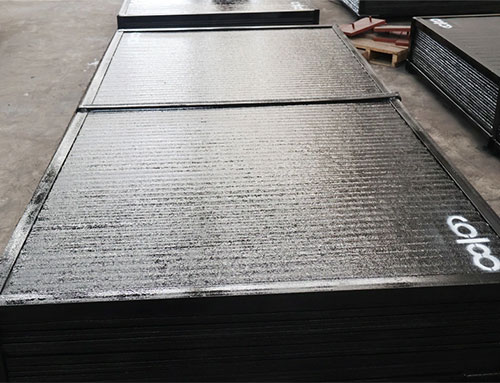
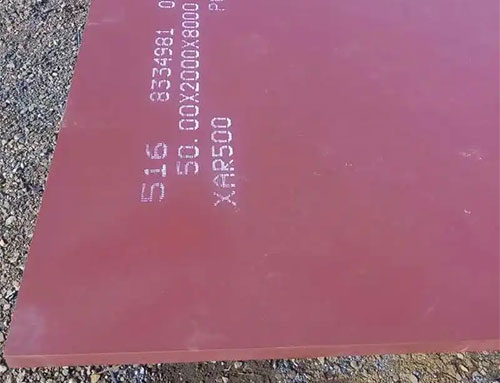
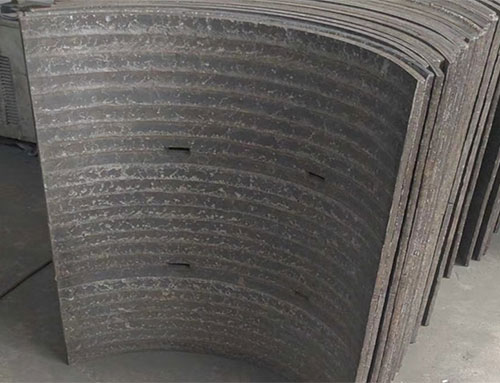
3. Alloy Steel & AR Steel Plates
AR400 and AR500 abrasion-resistant steel plates, as well as custom alloy steel wear plates, offer a balance of hardness and toughness. These versatile plates are commonly used for secondary liner systems, crusher side liners, and auxiliary wear protection in low- to medium-stress crushing environments.
Best For: Secondary crushing stages, crusher side wall liners, light-to-medium abrasive materials.
How to Select the Right Crusher Wear Plates for Your Operation
Choosing the best crusher wear plates requires matching material grade, plate design, and thickness to your specific operational conditions. Follow this four-step selection framework to avoid premature wear and wasted investment.
Step 1: Analyze Your Feed Material
Hard, bulky materials such as granite, basalt, and iron ore require high-impact manganese steel wear plates. Fine, sharp, abrasive materials such as sand, limestone fines, and recycled glass require high-chromium plates to achieve superior abrasion resistance. Mixed material operations benefit from dual-property alloy plates for balanced performance.
Step 2: Match Plate Type to Your Crusher Model
Never use universal wear plates across different crusher types. Jaw crushers need toothed, high-toughness jaw plates; cone crushers need precision contoured mantle and bowl liners; impact crushers need shock-resistant breaker plates. Using mismatched plates causes poor crushing geometry, reduced output, and early failure.
Step 3: Choose Optimal Thickness & Profile
Thicker wear plates deliver longer service life but may slightly reduce cavity volume and throughput. Thinner plates maximize initial output but require more frequent replacement. For high-production operations, medium-thickness premium-grade plates offer the best balance of lifespan and productivity. Tooth and groove profiles should align with your target aggregate size: deep grooves for coarse crushing, fine profiles for precision sizing.
Step 4: Prioritize Reversible & Rotatable Designs
Most modern crusher wear plates feature reversible designs, allowing operators to flip or rotate plates once one side wears thin. This simple practice doubles plate lifespan and cuts replacement costs by nearly 50%, making it one of the most cost-effective optimization strategies for any crushing plant.
Common Crusher Wear Plate Failure Causes & Prevention Tips
Most premature wear plate failures are avoidable and stem from operational errors rather than poor part quality. Below are the leading causes of failure and actionable prevention strategies to extend your crusher wear plate lifespan.
1. Overloading & Unauthorized Feed Size
Feeding oversized rock or exceeding the crusher’s maximum load capacity creates extreme localized stress, leading to plate cracking, bending, and accelerated wear. Always screen feed material to match your crusher’s rated input size and avoid continuous overloading.
2. Misaligned or Loose Installation
Loose wear plates shift during operation, causing uneven wear, vibration, and impact damage. Misaligned plates distort the crushing cavity, reducing efficiency and creating material jams. Conduct bolt torque checks during every routine maintenance cycle to ensure secure fitting.
3. Ignoring Early Wear Signs
Thinning plate surfaces, faded tooth profiles, minor surface cracks, and inconsistent output sizing are early warning signs of wear. Industry best practice recommends replacing plates when the thickness drops 10–15mm below original specifications to prevent catastrophic failure and secondary machine damage.
4. Incompatible Material Grade Selection
Using manganese plates for high-abrasion fine crushing or chrome plates for high-impact hard rock crushing guarantees premature failure. Always cross-reference your material type and crushing mechanism with plate material grades before purchasing replacements.
Pro Maintenance Schedule to Maximize Crusher Wear Plate Lifespan
Consistent, structured maintenance is the easiest way to reduce the frequency of wear plate replacements and cut operational costs. Implement this simple maintenance routine for consistent long-term performance:
- Daily Inspection: Check for loose bolts, surface cracks, abnormal vibration, and uneven material output. Clear cavity buildup to avoid localized wear hotspots.
- Weekly Check: Measure plate thickness, document wear rates, and rotate reversible plates if uneven wear is detected.
- Monthly Service: Torque all mounting bolts, clean crusher chambers thoroughly, and inspect for structural distortion in the crushing cavity.
- Quarterly Audit: Analyze wear trends, adjust feed size or operating speed if wear is excessive, and upgrade plate material grades if operational conditions change.
Final Thoughts: Invest in Quality Crusher Wear Plates for Long-Term ROI
Crusher wear plates are small components that have a significant impact on your crushing plant’s profitability, uptime, and efficiency. Many plant operators fall into the trap of choosing low-cost generic plates to save money in the short term, only to face frequent replacements, unplanned downtime, reduced production output, and damage to expensive secondary equipment.
By selecting the right material grade, matching plate design to your crusher model and feed material, implementing regular inspections, and utilizing reversible plate designs, you can drastically extend wear plate lifespan, stabilize production efficiency, and lower your total cost of ownership. Premium crusher wear plates are not just a replacement part—they are a strategic investment that directly boosts your operational ROI.
Whether you operate jaw, cone, or impact crushers, prioritizing high-quality, application-specific crusher wear plates is the simplest, most effective way to future-proof your crushing operations and maintain consistent productivity year-round.
Quality
Strict quality control standards to ensure every product meets the expected reliability and performance.
Price
Competitive prices that strike a perfect balance between cost-effectiveness and the value you deserve.
Service
Professional customer service is always ready to address your needs and provide satisfactory solutions promptly.
Management
Efficient and standardized operations powered by an ERP system to comprehensively manage all business processes.

Get in touch with us
Take a minute to connect with us today, and let’s turn your needs into results. We can’t wait to hear from you!