
Clad Wear Plate Benefits for Mining, Cement, and Steel Industry
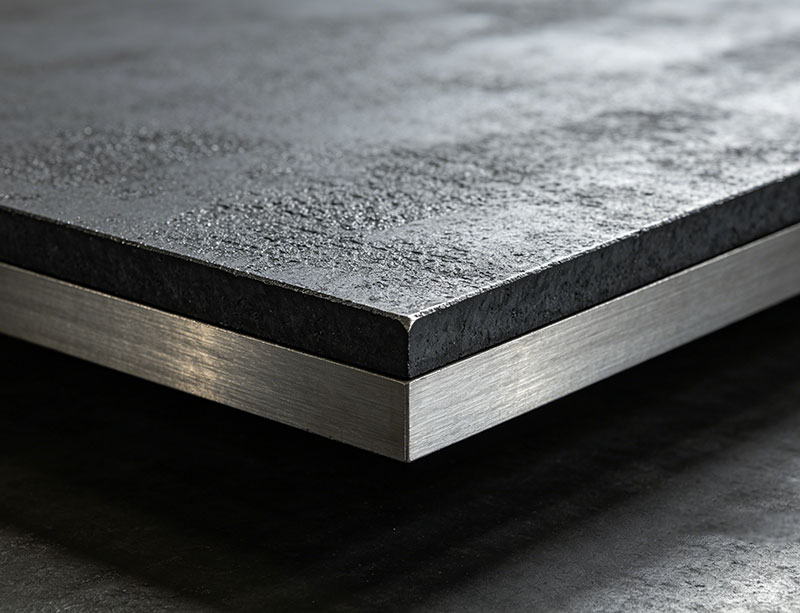
Table of Contents
Introduction
The mining, cement, and steel sectors face identical operational challenges: severe equipment wear, frequent component failures, high downtime, and excessive maintenance costs. Heavy raw materials, harsh working conditions, continuous mechanical friction, and high-impact loads accelerate the wear and tear of industrial machinery liners, chutes, hoppers, and processing equipment. For buyers, including plant managers, procurement engineers, and mechanical maintenance teams, selecting durable wear-resistant materials is critical to optimizing production efficiency.
As a high-performance industrial consumable, the clad wear plate has become a preferred solution for heavy-duty manufacturing industries. Made with advanced bimetallic composite technology, this wear plate combines a high-hardness alloy wear layer and a tough carbon steel substrate. It outperforms traditional wear-resistant steel plates in abrasion resistance, impact tolerance, and structural stability. This article comprehensively breaks down the core clad wear plate benefits and its targeted advantages for the mining, cement, and steel industries.
What Is a Clad Wear Plate?
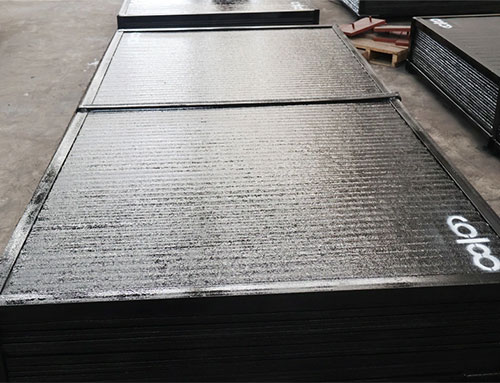
A clad wear plate (also known as a bimetallic clad wear plate) is a composite steel plate manufactured by surfacing welding or explosive cladding. Its base layer adopts mild carbon steel to guarantee excellent toughness, weldability, and bending performance; the surface cladding layer consists of high-chromium alloy, carbide, or other high-hardness wear-resistant materials. The dual-layer structure integrates flexibility and wear resistance, solving the defect that single wear-resistant steel cannot balance toughness and hardness. Unlike ordinary manganese steel plates, clad wear plates feature a uniform alloy layer distribution, stable mechanical properties, and a longer service life under extreme industrial conditions.
Core Universal Benefits of Clad Wear Plates
Before exploring industry-specific applications, it is essential to understand the universal advantages that make clad wear plates a staple in heavy industries. These core benefits directly reduce operational costs and improve production stability for industrial enterprises.
1. Superior Abrasion and Impact Resistance
The high-alloy cladding layer of the clad wear plate has a Rockwell hardness of HRC 55-65, which effectively resists scratch abrasion, erosion, and heavy impacts from bulk materials such as ore, cement clinker, and steel slag. It can withstand long-term friction with sharp, hard materials without severe surface peeling or deformation. Compared with ordinary low-alloy wear plates, its abrasion resistance is 3-5 times higher, making it suitable for 24/7 continuous industrial operation.
2. Significant Operational Cost Reduction
Frequent replacement of worn equipment parts leads to high procurement costs and production downtime losses. Clad wear plates extend the service life of industrial equipment liners, chutes, and conveying components by 4-8 times. Business owners can significantly reduce spare part procurement frequency, labor costs for equipment replacement, and production halt losses. For large-scale mining and steel plants, this cost-saving advantage translates into substantial annual profit margins.
3. Excellent Processability and Installation Flexibility
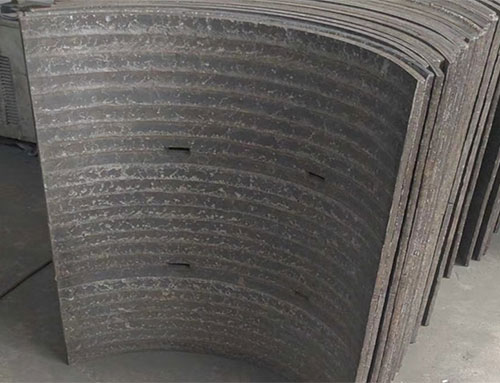
Thanks to the tough carbon steel substrate, clad wear plates can be cut, bent, welded, and punched. Industrial manufacturers can customise the size, thickness, and shape of clad wear plates to meet on-site equipment specifications. It is suitable for complex structural parts that cannot be installed with integral high-hardness steel plates, greatly improving construction convenience and shortening on-site installation cycles.
4. High Temperature and Corrosion Resistance
The alloy cladding layer has stable chemical properties and can withstand high temperatures up to 600℃. It resists oxidation and corrosion from weak acids generated by high-temperature materials such as cement clinker and molten steel slag. This prevents material deterioration and performance degradation in high-temperature environments, ensuring stable performance in harsh industrial conditions.
Industry-Specific Clad Wear Plate Benefits
1. Benefits for the Mining Industry
The mining industry involves crushing, screening, conveying, and grinding of hard ores (iron ore, coal, gold ore, and limestone). Mining equipment, such as crusher liners, mine chutes, conveyor hoppers, and ball mill liners, is subject to extreme abrasive wear and high material impact.
Industry-specific advantages: Clad wear plates resist scratching from sharp ore particles and heavy impact loads, reducing the wear failure rate of crushing and conveying equipment. They effectively prevent material leakage and equipment deformation caused by long-term ore scouring. For open-pit mines and underground mining systems, clad wear plates reduce the frequency of daily maintenance, ensure continuous mining operations, and improve ore transportation efficiency.
2. Benefits for the Cement Industry
Cement production includes raw material crushing, clinker calcination, and finished product transportation. Cement raw materials and clinker are highly erosive, and the production environment is characterised by high temperatures and dust. Equipment such as cement mill liners, mixing silo liners, and discharge chutes is prone to rapid wear.
Industry-specific advantages: The high-temperature resistance of clad wear plates adapts to the high-heat working conditions of cement production. Its smooth alloy surface reduces material adhesion, avoiding raw material accumulation and blockage inside silos and chutes. It reduces the cleaning frequency of cement production equipment, improves the fluidity of cement, and ensures stable operation of the cement production line.
3. Benefits for the Steel Industry
The steel industry faces harsh working conditions, with large amounts of high-temperature steel slag, scrap steel, and molten iron residues. Steelmaking workshops, rolling mills, and slag-conveying equipment are subject to high-temperature scouring and heavy metal impacts, posing extremely high requirements for wear-resistant materials.
Industry-specific advantages: Clad wear plates withstand high-temperature slag erosion and heavy-metal impacts, protecting steel slag tanks, conveyor pipelines, and auxiliary components of furnace linings. Its antioxidant performance prevents rust and surface deterioration on plate surfaces in high-temperature steelmaking environments, reducing the risk of equipment failure caused by high-temperature corrosion. It helps steel mills improve equipment safety and extend the service life of high-temperature processing equipment.
Why Choose Clad Wear Plates Over Traditional Wear-Resistant Plates?
Many industrial enterprises still use manganese steel plates, high-strength carbon steel plates, and cast iron wear plates. However, these traditional materials have obvious drawbacks: poor processing performance and toughness, being prone to cracking under impact, and short service life. In contrast, clad wear plates overcome material limitations through a composite structure. The table below clearly shows the performance comparison:
| Performance Index | Clad Wear Plate | Traditional Manganese Steel Plate | Ordinary Carbon Steel Plate |
|---|---|---|---|
| Surface Hardness | HRC 55-65 | HRC 20-30 | HRC 15-25 |
| Abrasion Resistance | Excellent | Medium | Poor |
| Impact Toughness | High (Dual-layer structure) | Medium | Low |
| Service Life | 4-8 times longer | 2-3 times longer | 1 times (benchmark) |
| Custom Processability | Allow for cutting & welding | Difficult to process | Easy to deform |
Key Selection Tips for Buyers
For procurement managers in mining, cement, and steel industries, selecting qualified clad wear plates is vital to maximizing investment returns. Here are practical purchasing suggestions:
- Confirm alloy layer ratio: Choose a plate with an alloy layer thickness of 30%-50% of the total thickness to balance wear resistance and toughness.
- Check surface uniformity: Ensure the cladding layer has no pores or cracks to avoid local wear failure.
- Match working conditions: Select high-chromium alloy clad plates for high-temperature steel plants and carbide clad plates for heavy-abrasion mining sites.
- Choose reliable manufacturers: Cooperate with industrial steel suppliers that hold complete production certifications to ensure product stability and after-sales service.
Conclusion
Clad wear plates have irreplaceable application value in the mining, cement, and steel industries. With superior abrasion resistance, high-temperature stability, flexible processability, and long service life, they effectively solve common pain points such as easy equipment wear, frequent maintenance, and high operational costs for heavy industrial enterprises. Whether for ore crushing in mining plants, clinker transportation in cement factories, or steel slag treatment in steel mills, clad wear plates can optimize production efficiency and reduce long-term operating expenses.
For industrial buyers seeking cost-effective wear-resistant metal materials, investing in high-quality clad wear plates is a strategic decision to achieve sustainable production and cost control. Contact our professional team to get customized clad wear plate solutions and a factory-direct quotation for your industrial production line.
Quality
Strict quality control standards to ensure every product meets the expected reliability and performance.
Price
Competitive prices that strike a perfect balance between cost-effectiveness and the value you deserve.
Service
Professional customer service is always ready to address your needs and provide satisfactory solutions promptly.
Management
Efficient and standardized operations powered by an ERP system to comprehensively manage all business processes.

Get in touch with us
Take a minute to connect with us today, and let’s turn your needs into results. We can’t wait to hear from you!