
Maximizing Industrial Efficiency: Why the Carbide Wear Plate is Your Best Defense Against Abrasion
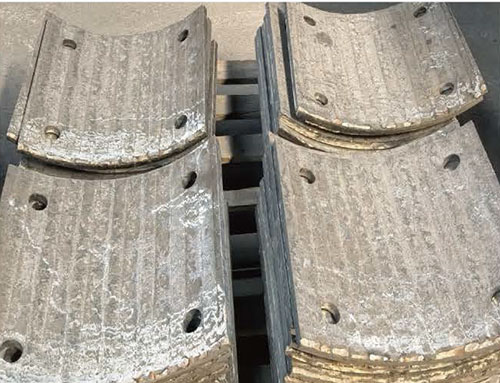
Table of Contents
In heavy industries like mining, cement production, and power generation, equipment is constantly under siege. The relentless friction of abrasive materials—rocks, sand, coal, and minerals—can erode steel components in a matter of weeks. For maintenance managers and plant engineers, this leads to a frustrating cycle of frequent repairs, expensive downtime, and lost productivity.
Enter the carbide wear plate. As among the most durable industrial solutions available today, these plates have revolutionised how companies manage wear and tear. In this guide, we’ll explore what makes carbide wear plates so effective and why they are a critical investment for your B2B operations.
What is a Carbide Wear Plate?
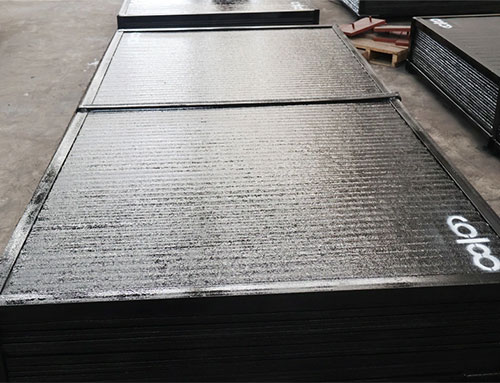
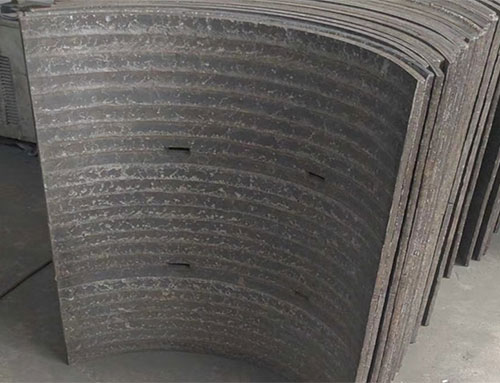
A carbide wear plate is a specialized protective component typically composed of tungsten carbide particles embedded within a tough metallic matrix (often steel or a specialized alloy). While standard hardened steel plates offer some protection, they pale in comparison to the hardness levels achieved by carbide.
Tungsten carbide ranks close to diamond on the Mohs scale of hardness. By bonding this material to a weldable backing plate, manufacturers create a product that offers the “best of both worlds”: extreme surface hardness to resist abrasion and structural toughness to handle mechanical stress.
Key Benefits for Heavy Industry
1. Unmatched Longevity
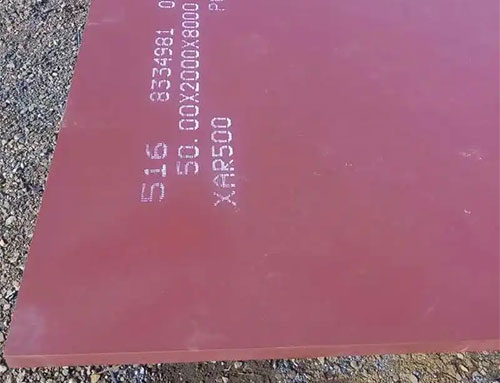
The primary reason businesses switch to a carbide wear plate is service life. Depending on the application, a carbide plate can last 5 to 10 times longer than traditional AR (Abrasion Resistant) steel. This longevity means that instead of replacing liners every few months, your equipment can run for years without intervention.
2. Reduced Maintenance Costs
Maintenance isn’t just about the cost of the replacement part; it’s about the labor required to install it and the lost revenue during downtime. By extending the intervals between repairs, carbide wear plates significantly lower the Total Cost of Ownership (TCO) for your machinery.
3. Precision Performance
Unlike standard steel, which wears unevenly—causing flow issues in chutes and hoppers—carbide maintains its profile for much longer. This ensures that material flow remains consistent, preventing bottlenecks in your production line.
Common Applications for Carbide Wear Solutions
Where can you implement these high-performance plates? The versatility of carbide makes it suitable for various high-impact and high-abrasion environments:
- Mining & Quarrying: Chute liners, conveyor skirts, and vibrating feeder liners.
- Cement & Concrete: Mixer paddles, scraper blades, and discharge chutes.
- Power Generation: Coal pulverizer components and ash handling systems.
- Recycling: Shredder linings and sorting guides.
Choosing the Right Carbide Wear Plate
Not all wear plates are created equal. When selecting a solution for your facility, consider the following factors:
Impact vs. Abrasion
Carbide is incredibly hard, but standard grades can be brittle. If your application involves heavy impact (e.g., large rocks falling from height), you need a “tough” grade of carbide or a plate specifically designed for impact resistance. For sliding abrasion (e.g., sand flowing over a surface), a high-hardness grade is ideal.
Method of Attachment
How will the plate be secured? Most carbide wear plates come with a weldable steel backing, allowing for easy installation via plug welding or stud mounting. Ensure the backing material is compatible with your existing structure.
Customization
Every facility has unique geometry. Look for a supplier that offers custom-cut shapes and sizes. Precision-engineered plates reduce gaps where “fine” materials can cause secondary wear, protecting the underlying structure more effectively.
Conclusion: A Strategic Investment
While the initial cost of a carbide wear plate is higher than that of a standard steel plate, the return on investment is undeniable. In an era when operational efficiency and “uptime” are key to profitability, choosing the most durable protection for your equipment is simply good business.
By integrating carbide solutions into your maintenance strategy, you aren’t just buying a part—you are buying peace of mind and a more predictable production schedule.
Quality
Strict quality control standards to ensure every product meets the expected reliability and performance.
Price
Competitive prices that strike a perfect balance between cost-effectiveness and the value you deserve.
Service
Professional customer service is always ready to address your needs and provide satisfactory solutions promptly.
Management
Efficient and standardized operations powered by an ERP system to comprehensively manage all business processes.

Get in touch with us
Take a minute to connect with us today, and let’s turn your needs into results. We can’t wait to hear from you!